Turn Summer Clinic Surges Into Smooth Workdays
Summer clinic days often feel a little wild. Visit types change, volumes spike without warning, and the schedule that looked calm in the morning can be packed by lunch. When that happens, documentation is usually what gets pushed to the side, then shows up again as a heavy pile of unfinished notes at the end of the day.
Those long evenings in front of the EHR are not just tiring; they increase burnout risk and pull attention away from patients and staff. This is where cloud medical dictation can move from "nice-to-have" to a main part of your summer plan. When we treat speech recognition as core workflow infrastructure, not just a personal shortcut, it can help stabilize productivity and cut down on after-hours charting.
In this article, we will talk through how to map your summer patterns, rethink documentation workflows, and bring cloud medical dictation into the center of busy clinic days so teams can stay steady, even when volumes jump.
Map Your Summer Volume Patterns Before They Hit
Summer brings its own mix of visit types. Many clinics see:
- Camp and sports physicals
- Sports and outdoor injuries
- Heat-related issues
- Vacation coverage and tourist visits
On top of that, many clinicians and staff take well-earned time off. This leads to coverage gaps, tighter schedules, and more patients squeezed into fewer hours. Before the rush arrives, it helps to look closely at your own data from past summers.
Leaders can review:
- Appointment types and average visit length
- Daily and weekly peak times
- No-show and same-day add-on patterns
- Telehealth versus in-person mix
- Typical coverage gaps from vacations
From there, it is useful to build "summer demand profiles" for each clinic, provider group, and service line. For example, pediatrics and urgent care often skew toward acute complaints and quick visits, which can create heavy documentation volume in short bursts. Chronic care follow-ups may be fewer in number but heavier in note complexity.
Once you see those patterns, you can shape staffing and rooming templates around them. This might mean:
- Extra coverage during predictable peak days
- Longer slots for complex visit types
- Clear plans for cross-coverage between locations
Cloud medical dictation fits naturally into this planning. Where you find clusters of short, high-frequency visits or heavy after-hours charting, that is where speech-driven documentation can make the biggest difference.
Rethink Documentation Workflows for Summer Efficiency
Many clinics run into the same choke points on a busy summer day. Room turnover slows down as notes pile up. Clinicians click through several EHR screens to find the right fields. Notes get pushed to the end of the session, then into the evening, when focus and energy are low.
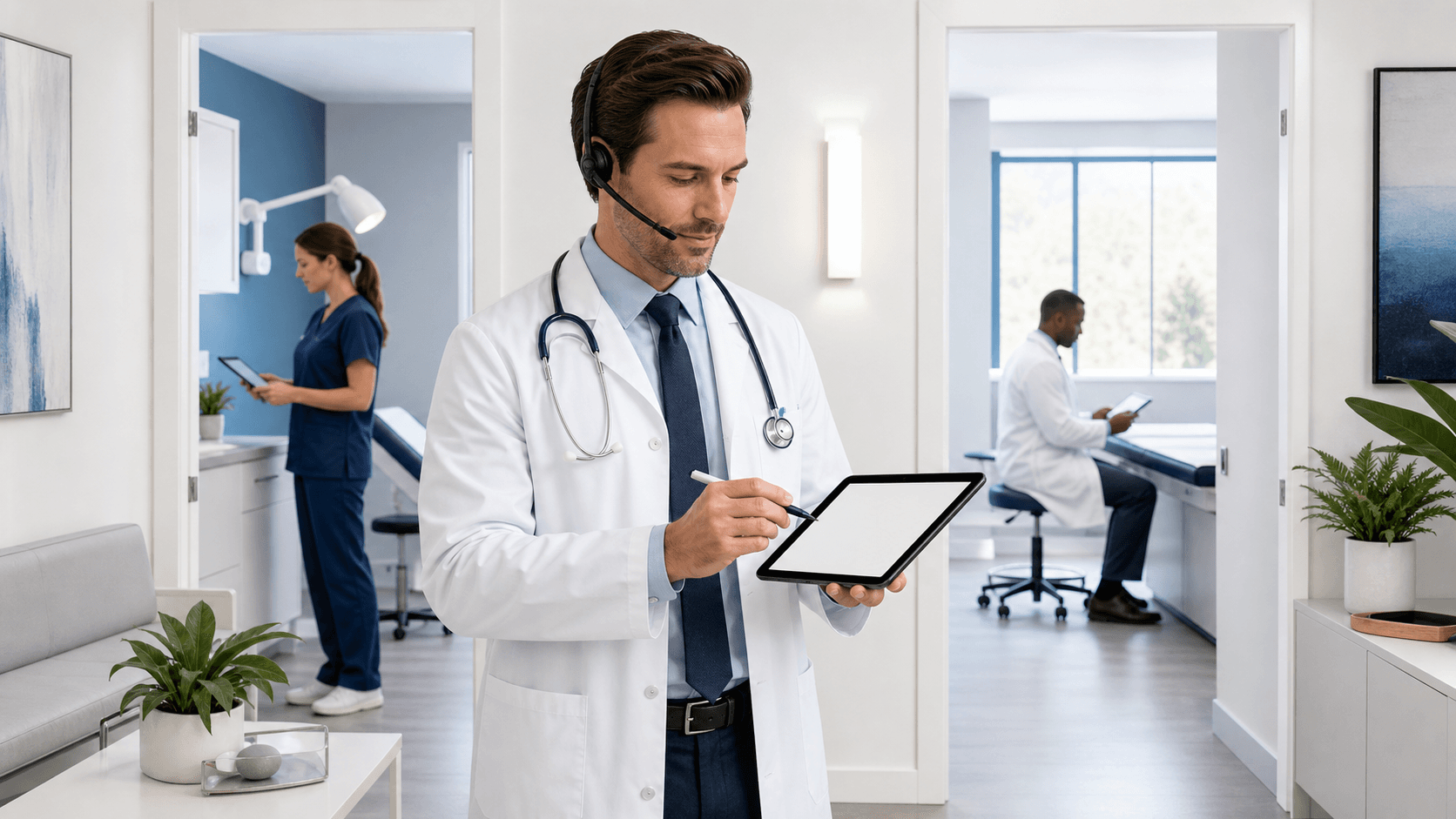
Instead of pushing documentation to later, we can move to a "dictate in the moment" model. Right after leaving the exam room, or even while still in it when appropriate, the clinician speaks the assessment and plan while the encounter is fresh. Short bursts of focused dictation are usually easier to fit between visits than long blocks of typing at the end of the day.
This works best when the whole team shares a clear structure for notes. That might include:
- Standard templates for common visit types
- Smart phrases and macros for repeated wording
- Agreed-on sections for assessment and plan
- Consistent phrasing for patient education and follow-up
Cloud medical dictation fits right on top of this structure. Instead of building every note from scratch, the clinician can call up a template with a simple voice command, then fill in the unique clinical details by speaking naturally.
Change is still change, and it helps to start small. Many teams see quick wins by focusing first on:
- High-burden note types like H&Ps and consults
- Urgent and same-day visits that tend to run late
- Telehealth encounters that often get documented later
When clinicians feel a real time savings in these heavy areas, they are more open to bringing speech recognition into the rest of their charting.
Put Cloud Medical Dictation at the Center of the Day
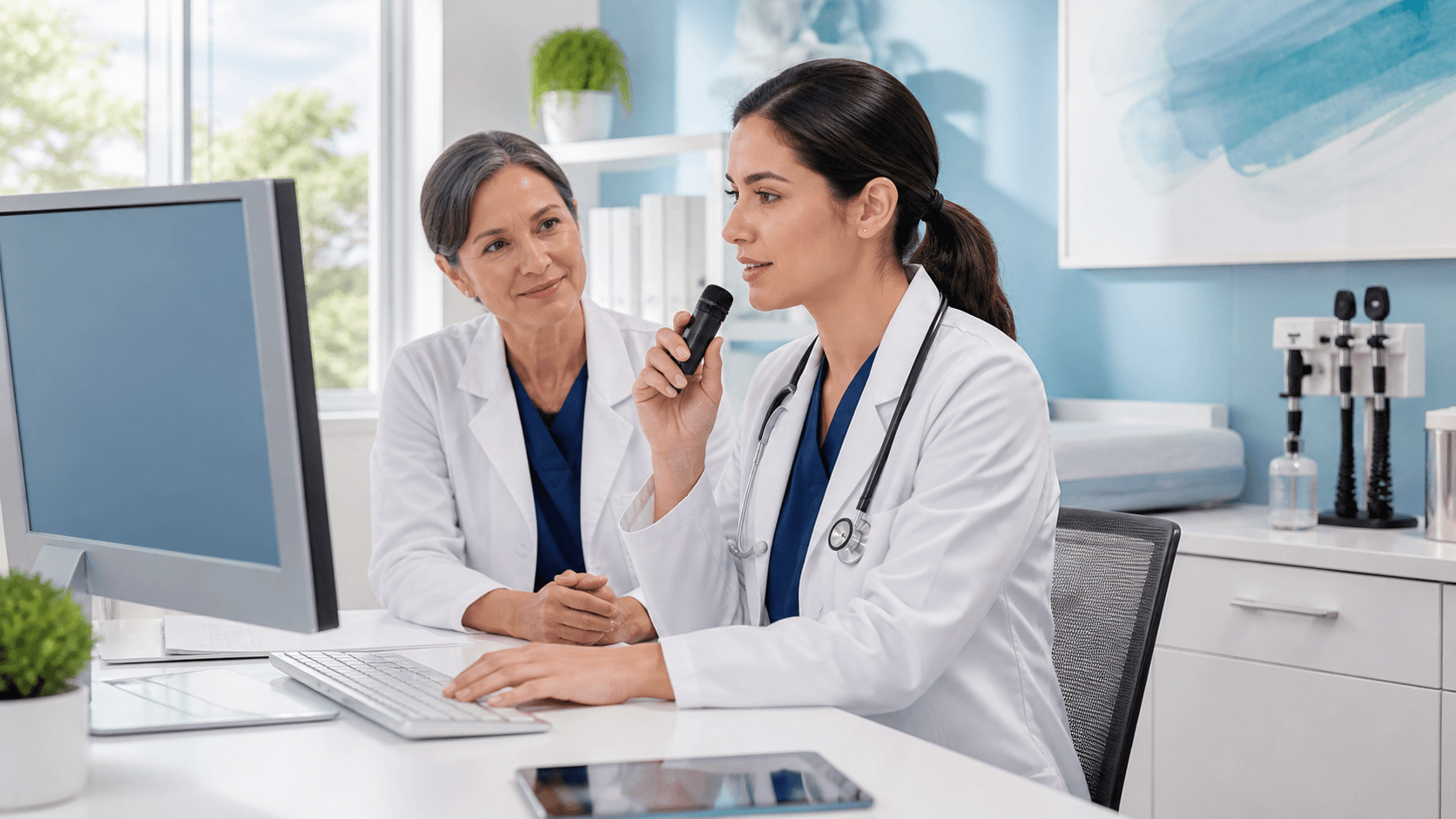
Cloud medical dictation is simple at heart. It is speech recognition that lives in the cloud, follows the clinician from room to room and site to site, and does not depend on complex local setups. That means clinicians can log in, open their EHR or productivity app, speak, and see words appear in real time on the screen.
On a packed summer schedule, that can cut down on clicks and typing. Instead of hunting for fields, clinicians can:
- Place the cursor and dictate the full note
- Use voice commands to move between sections
- Speak orders, instructions, and messages
- Add details while they are still fresh
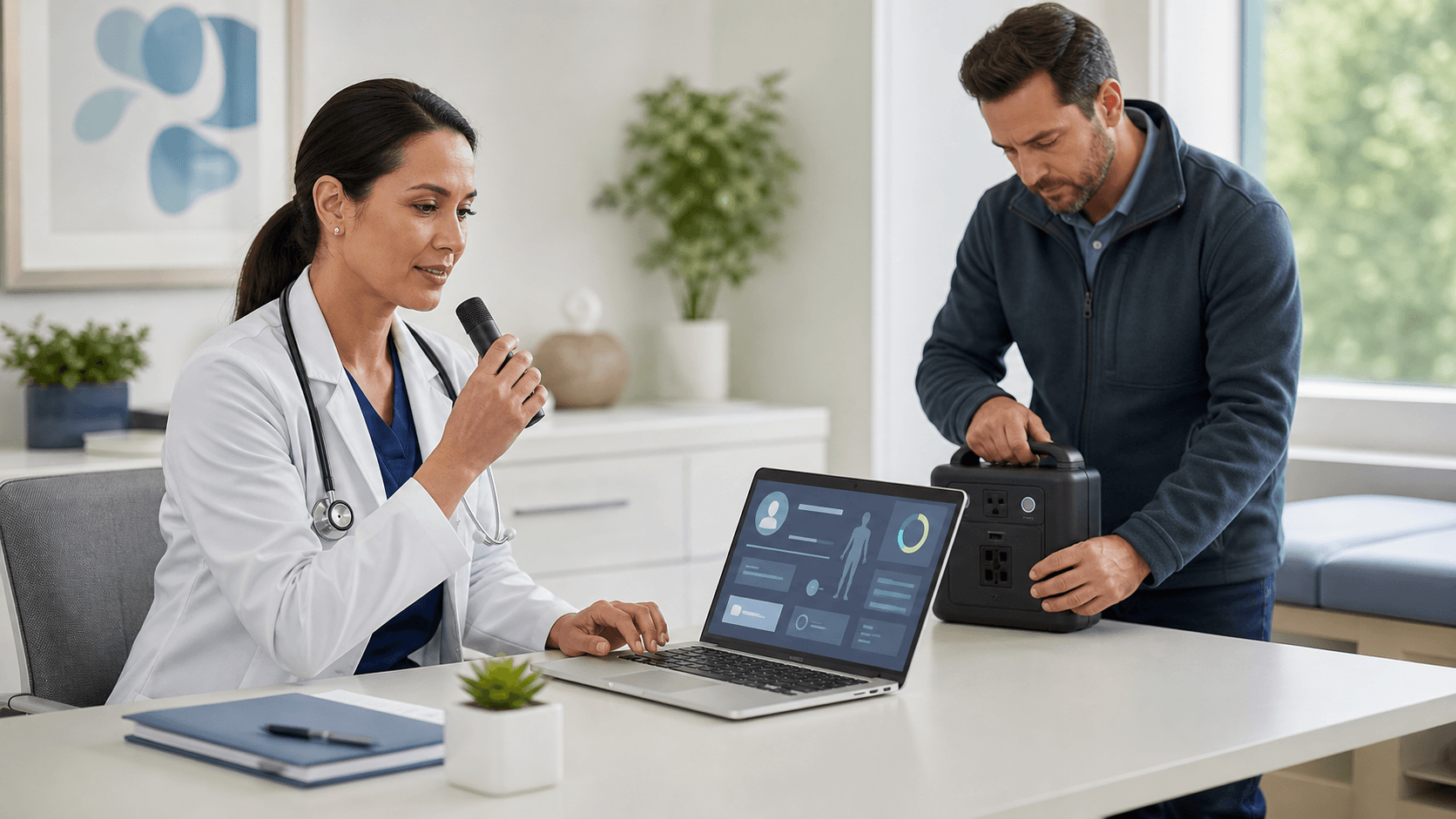
For groups with more than one site, or those that cover nearby clinics or satellite offices, the "follow you anywhere" nature of cloud tools really matters. Clinicians can use the same voice profile in different locations, on different workstations, or during evening telehealth sessions at home, while still staying within their normal systems and workflows.
Of course, with any cloud tool, reliability and security are top concerns, especially when volumes spike. A platform like Dragon Medical One is designed as a cloud-based medical speech recognition solution that supports clinical documentation inside EHR and productivity apps. It is built with healthcare requirements in mind, including HIPAA-related needs, uptime for busy clinics, and centralized management so IT and compliance teams can keep control without having to touch every single device.
Build a 30-Day Summer Adoption Plan for Your Team
To make cloud medical dictation part of your summer workflow instead of a side project, it helps to think in terms of a short, focused rollout plan.
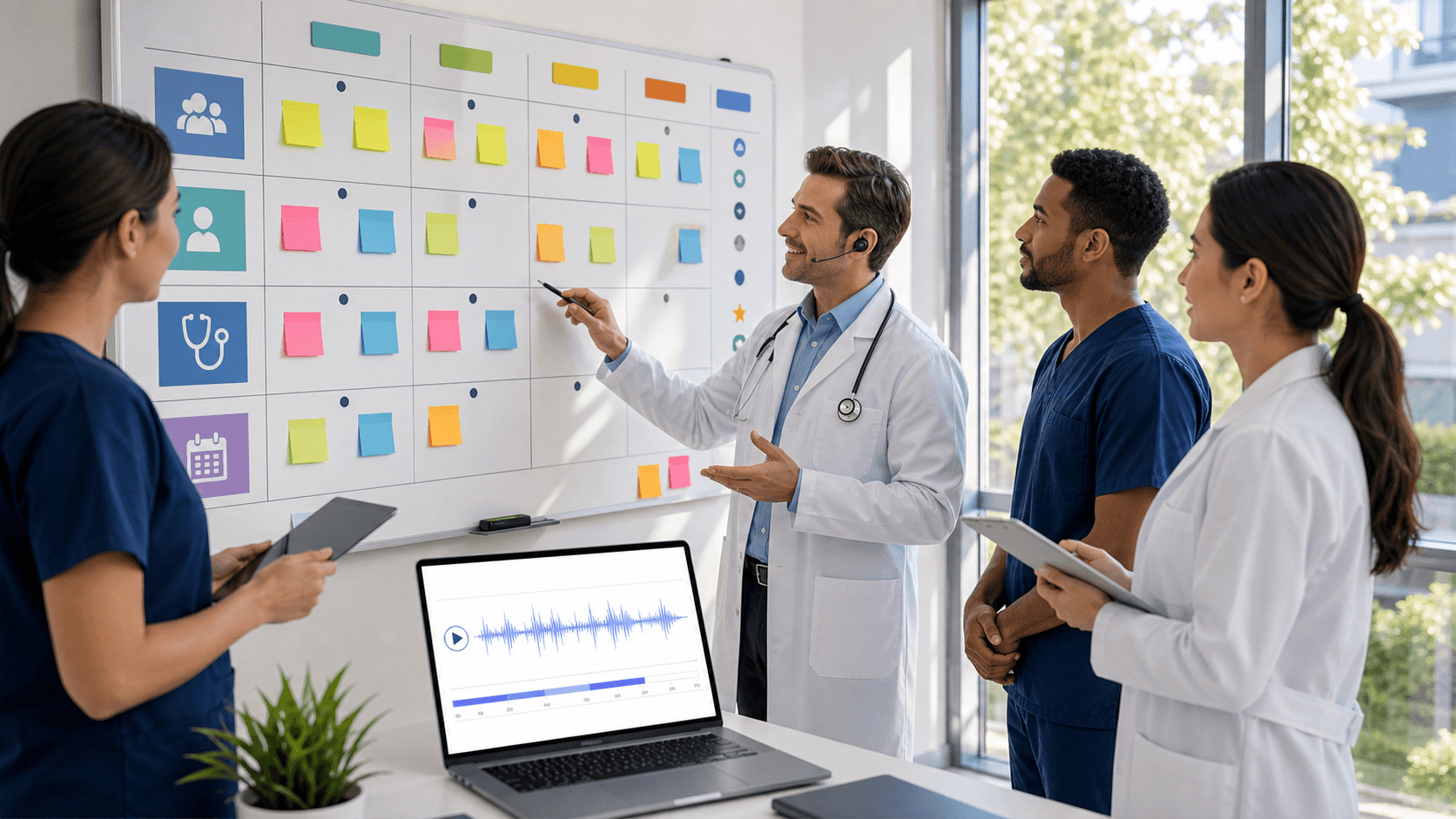
A simple 30-day structure could look like this:
- Week 1: Set up pilot users, confirm basic setup, align on priority note types
- Weeks 2, 3: Expand training to more clinicians and staff, add specialty templates and commands
- Week 4: Review feedback, fine-tune workflows, share quick wins across the team
Choose a mix of super users and skeptics for the pilot. The super users can try advanced features and share tricks with others. The skeptical clinicians can raise real-world concerns early, so training covers what people actually deal with on a hectic summer day.
Training time is well spent when it focuses on:
- Clear dictation practices and microphone use
- Using voice to move through the EHR
- Creating and refining templates and voice commands
- Fast ways to correct text without losing momentum
During those first weeks, it helps to track a few simple metrics, such as how quickly notes are closed, how much after-hours charting clinicians report, and how documentation timing might influence billing and revenue cycle tasks. The goal is not a perfect scorecard, but a shared view of whether cloud medical dictation is easing the summer load.
Make This Your Least Chaotic Summer Yet
Summer surges do not have to mean chaos, late nights, and growing note backlogs. With a bit of early planning, clear documentation workflows, and cloud medical dictation at the core of the day, clinics can keep visit volumes high while still protecting clinician time and energy.
Dragon Medical One is built as a cloud-based medical speech recognition platform that lets clinicians dictate directly into their EHR and everyday apps, which makes it a natural fit for the kind of flexible, mobile work that summer often demands. By focusing on a targeted rollout in your highest-pressure clinics or service lines, then expanding as you see results, your team can turn this summer into a starting point for better documentation habits all year long.
Streamline Documentation With Faster, More Accurate Dictation
If you are ready to spend less time typing and more time with patients, we can help you make the switch to efficient, secure cloud medical dictation. At Dragon Medical One, we focus on giving clinicians tools that fit naturally into their workflows so documentation feels lighter, not harder. Let us show you how quickly your team can get up and running with a solution that adapts to your specialty and style.