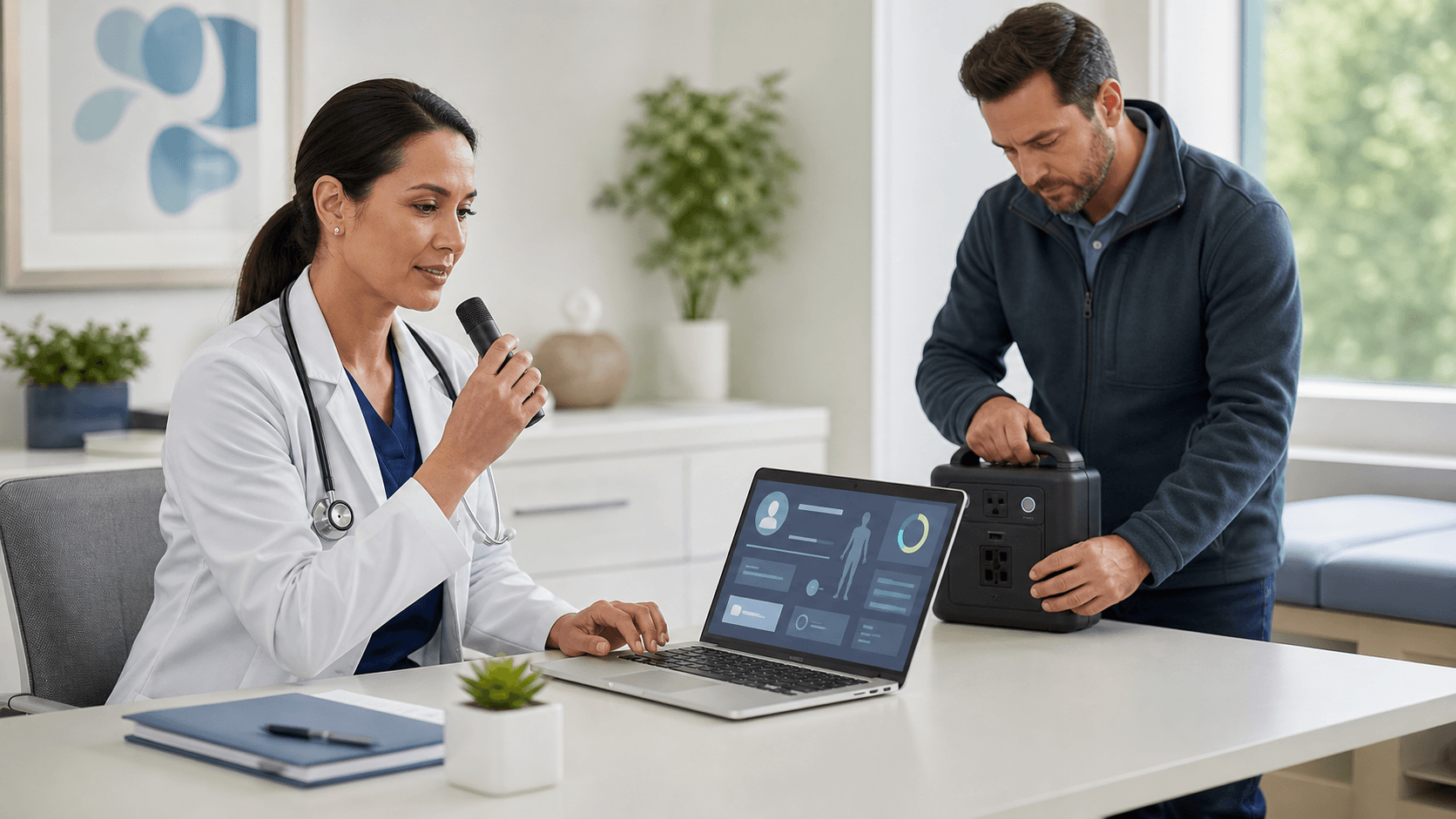
A 14-day pilot of professional medical dictation software should not be just another IT checkbox. It is a chance to reduce burnout, cut down on late-night charting, and raise documentation quality in a short, focused window. When we treat the pilot like a real project, with clear goals and ownership, it can set the tone for years of better documentation.
A structured monthlong pilot is low risk and very practical. June is often a good time to do it, since many groups are planning budgets and fall projects while still juggling vacations and summer coverage. In this guide, we will walk through a checklist you can use to plan your pilot: how to define success, pick the right team, test your EHR integration, and agree on fair go/no-go rules. We will also touch on how a cloud-based platform like Dragon Medical One fits into this approach.
Turn a 14-Day Dictation Pilot Into Lasting ROI
Many organizations jump into medical dictation with good intent but no clear finish line. Software gets installed, a few people try it, then the pilot fades out. Providers keep typing, burnout rises, and leadership has no hard proof for next steps.
A 14-day pilot works best when it is treated like a short, focused project. At a minimum, that means having a clear start and end date, written goals everyone can see, specific people in charge, and time built in for training and feedback.
When we do this well, the pilot helps us see where professional medical dictation software actually saves time, where it needs workflow tweaks, and how it might support long-term ROI on both the financial and human side.
Define Clear Success Metrics Before Day One
Before anyone starts dictating, we need to decide what "success" looks like. If we cannot measure it, we cannot defend a full rollout.
Helpful KPIs for a dictation pilot include:
- Average note completion time per visit and per day
- Amount of after-hours charting per provider
- Documentation completeness and clarity
- Provider satisfaction and ease of use
Many organizations aim for double-digit time savings, but the exact number matters less than agreeing on a reasonable target.
It also helps to segment KPIs, because a hospitalist does not work like a dermatology provider, and an APP does not have the exact same patterns as a surgeon. Break out your data by role (such as physicians and APPs), setting (such as inpatient and outpatient), and clinic type (such as high-volume primary care and lower-volume subspecialty).
Then plan how you will collect data. This can include EHR logs, short time tracking, simple self-report, and review of coding queries or audit scores. To keep it organized, decide:
- Who will pull the numbers
- How often they will update a simple dashboard
- Who will share results with the pilot group each week
Assemble a Pilot Team That Can Actually Drive Change
A strong team is what keeps the pilot from drifting. We see the best results when there is a mix of clinical, technical, and operational voices.
Key roles usually include:
- A clinical champion who is respected and willing to model use
- Pilot providers from different services and volumes
- Nursing and MA staff who support daily workflows
- An IT analyst and an EHR analyst
- A compliance or privacy officer
- A training lead
- A vendor partner who knows the dictation software well
Each role needs clear responsibilities so decisions do not stall. For example, workflow design is owned by the clinical champion and EHR analyst (with input from nursing), and EHR configuration changes are approved by the EHR analyst and compliance. Support tickets should be routed through IT, with vendor support for complex issues, and the go/no-go recommendation should be owned by a small steering group rather than just IT.
Set simple communication rhythms to keep momentum. A brief kickoff meeting aligns all pilot stakeholders, weekly 30-minute standups create a predictable place to review issues and wins, and quick email or Teams messages work well for micro-updates like tip sheets or known issues. Close with a debrief to decide the path forward.
Design Real-World Workflows and EHR Integration Tests
Dictation is not helpful if it only works in a test note that no one uses. We want the pilot to mirror daily life in clinic, hospital, and even at home.
Start by mapping current workflows:
- Who types which parts of the note
- Which templates and smart phrases are used
- Where scribes, MAs, or nurses help with documentation
- How providers handle notes when they are on call, on vacation, or doing remote work
Then design future workflows that show where dictation fits. That could be dictating straight into the EHR, using it for problem-focused sections like HPI and assessment, or using mobile devices for quick notes outside the office.
Next, plan EHR integration tests such as:
- Logging in and confirming roaming profiles load correctly
- Placing the cursor in different note fields and seeing how text lands
- Using templates and macros plus voice commands
- Ensuring content flows correctly into structured fields when needed
It is also smart to stress-test performance in real settings. Check:
- Recognition accuracy for your common terms and drugs
- Response time while moving between locations
- Microphone and headset options across rooms
- Network performance and security settings for cloud-based tools like Dragon Medical One
Run a Structured 14-Day Pilot Calendar
Training and support touchpoints can include:
- Live or virtual training before go-live
- Short reference guides and quick video tips
- At-the-elbow support during the first busy clinic days
- On-demand office hours for questions
To get fair results, we need usage expectations. For example, we might ask each pilot clinician to dictate the majority of their notes, such as 70 percent or more. Light accountability helps, like weekly usage summaries, peer comparisons shared in a respectful way, and one-on-one follow-up for anyone who is struggling.
Establish Objective Go/No-Go Criteria You Can Defend
At the end of 14 days, we want a decision that feels fair, not emotional. That starts with clear thresholds tied to our KPIs. For example:
- Minimum time savings or reduction in after-hours charting
- Acceptable rates of corrections or clarifications
- Upward trends in documentation quality and coding support
- Positive movement in provider satisfaction scores
Decide which numbers are "must meet" and which are "nice to have," and write that down before the pilot begins.
Balanced qualitative feedback also matters. Ask providers, coders, and clinical staff how easy the software is to learn and use, whether it affects patient connection in the room, and whether it makes notes clearer or more complete. Look for trends, not single loud voices, especially during a busy summer season when clinics can feel stretched.
Define what happens with each outcome:
- Go, move to a phased rollout, with a plan for who is next and how training will scale
- No-go, document the reasons so they inform future decisions
- Revise-and-extend, adjust workflows, add training, or refine setup, then extend the pilot for a short, defined period
Vendor partners like the Dragon Medical One team can help tune profiles, workflows, and training before a final call is made.
Turn Pilot Insights Into a Scalable Rollout Plan
Once the pilot ends, the real value comes from what you do with what you learned. Convert pilot results into a simple rollout roadmap that covers:
- Which departments or sites go first
- How many new users you can reliably support each month
- How training, IT, and super users will be staffed
- How it lines up with your budget and project calendar for the second half of the year
Then commit to a continuous improvement loop. Keep tracking KPIs, run periodic user refreshers, and plan regular optimization sessions with your professional medical dictation software vendor. Over time, you can extend the same tools into more use cases, like telehealth visits, inpatient consults, and cross-coverage during busy summer and holiday seasons.
A focused 14-day pilot, run with this kind of structure, turns medical dictation from a nice idea into a clear, defensible decision. With a cloud-based platform like Dragon Medical One, and a thoughtful checklist, your team can reduce burnout, improve documentation, and build a path to lasting ROI.
Streamline Clinical Documentation Without Slowing Patient Care
If you are ready to cut charting time and focus more on patients, our professional medical dictation software is built to support the way you practice. At Dragon Medical One, we make it simple to capture accurate, detailed notes directly into your EHR using your natural voice. Get started today and see how quickly you can reduce after-hours documentation and improve the quality of your clinical records.