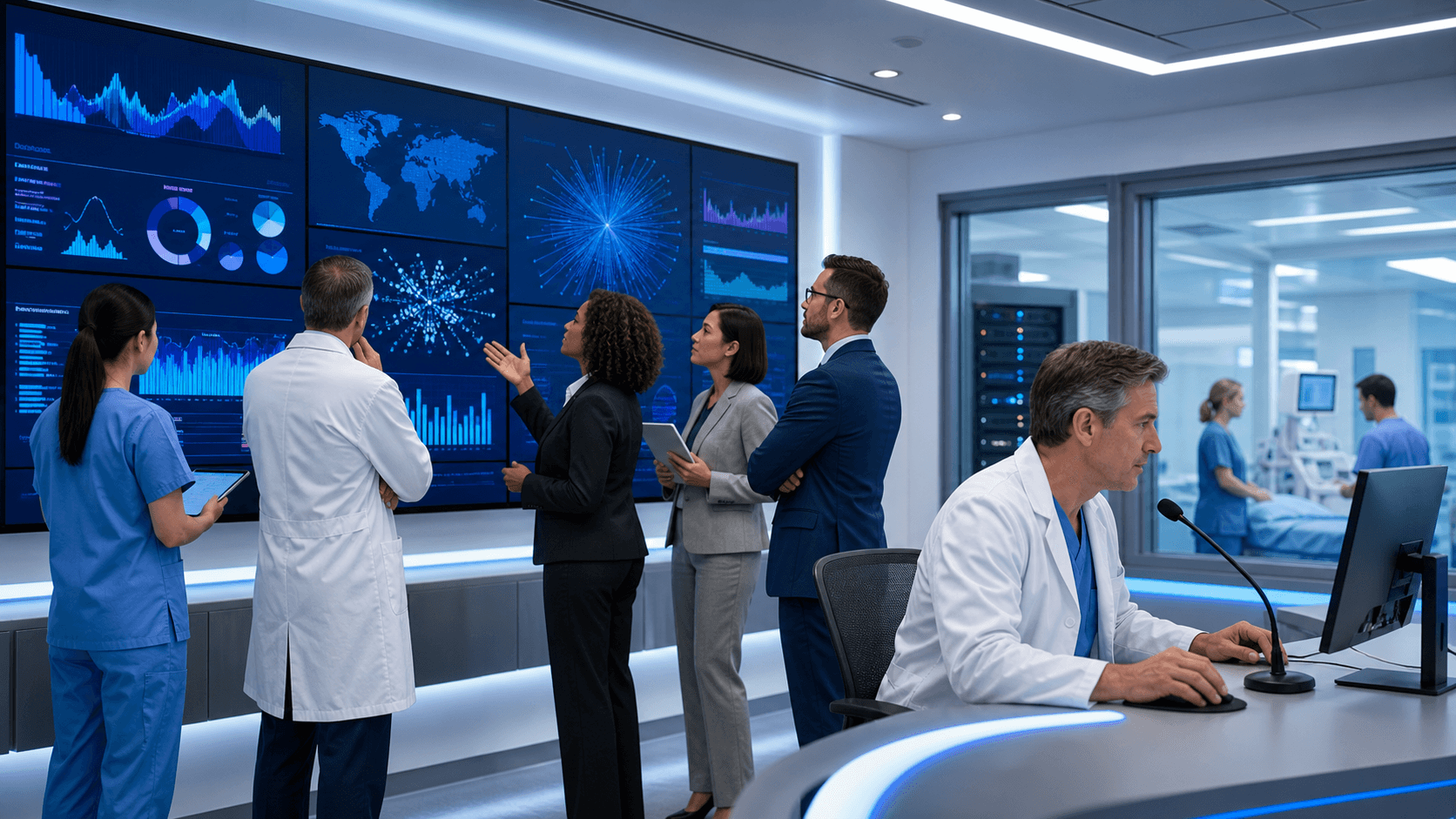
Clinicians and revenue cycle teams are feeling the squeeze. Margins are tight, payers are looking harder at claims, and even small documentation gaps can turn into big headaches months later when denials start to hit. The link between what gets said in the exam room and what ends up on a claim has never mattered more.
In this article, we will look at how automated medical transcription can turn everyday encounter notes into cleaner, more complete data for ICD-10 and CPT coding. We will walk through why old workflows break down, how speech-driven notes improve clinical detail, and how a clear transcript-to-coding process can support fewer denials and less burnout.
Turn Every Encounter Note Into Clean, Billable Data
Many teams feel the pressure as the year moves toward the back half. Finance leaders want clean books. Coders want fewer rework loops. Clinicians just want to get out of the office on time. In the middle of all this are clinical notes that may be rushed, incomplete, or too generic for accurate coding.
Small gaps cause big problems later. Examples include:
- Missing acuity or laterality in diagnoses
- No clear link between conditions and procedures
- Sparse history for complex patients with many comorbidities
- Vague wording that leads to unspecified codes
Those gaps slow coders down, lead to undercoding or overcoding, and can show up later as denials or downcoded claims. Automated medical transcription, paired with thoughtful workflows, can change that. When the spoken story of the visit flows straight into the record in real time, it becomes much easier to turn that story into structured, billable data that supports accurate ICD-10 and CPT selection.
Why Traditional Documentation Workflows Break Down
Traditional documentation habits often work against both clinical quality and revenue cycle performance. At the end of a long clinic day, it is common for providers to document from memory, relying on:
- Quick copy-and-paste from past visits
- Short, generic phrases to save time
- Mental notes to "finish later" that never quite get done
When notes are delayed or thin, coders are left guessing. That guesswork can mean extra coder queries, slower claim submission, and more risk of wrong or incomplete codes. Even when coders reach back to the provider, the details might be harder to recall after the fact.
Manual transcription and older dictation workflows bring their own problems. Turnaround time can lag behind the speed of care. Formatting can vary from note to note. Important billing details might be buried in long paragraphs that are hard to scan. All of this adds friction before coding even begins.
How Automated Medical Transcription Improves Note Quality
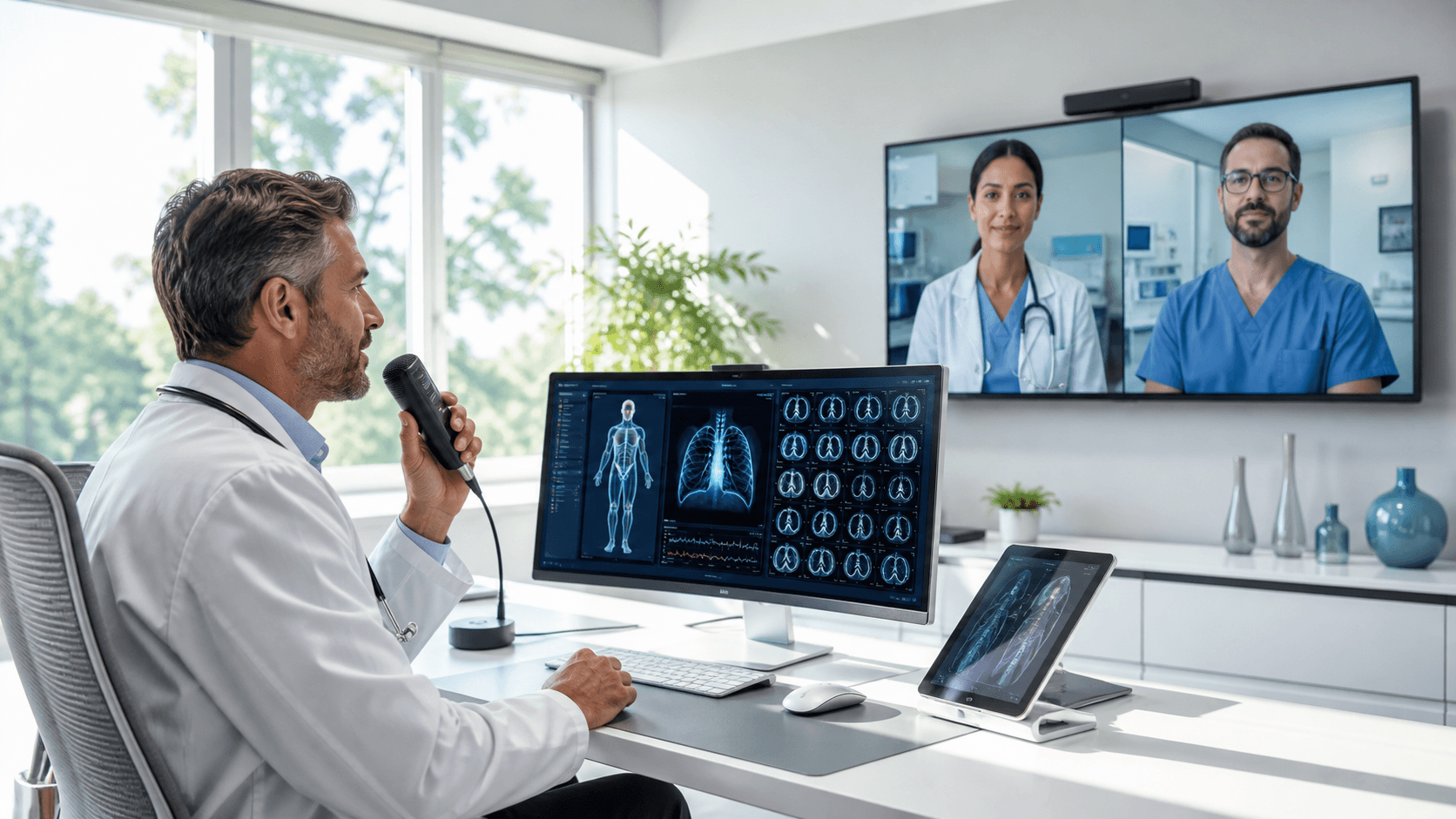
Modern automated medical transcription uses cloud-based speech recognition to let clinicians speak naturally while the system builds the note inside the EHR in real time. With a platform like Dragon Medical One, the narrative shows up on the screen as the provider talks, so they can review and refine as they go.
Real-time speech recognition helps capture the kind of specificity that coders need, such as:
- Laterality, like right or left
- Acuity, such as acute, chronic, or acute on chronic
- Complication status and severity
- Clear links between conditions, symptoms, and procedures
Instead of typing short phrases, providers can speak the full story, with nuance and context. Templates, smart phrases, and voice commands add structure without forcing people into rigid boxes. Specialty vocabularies help pick up terms that are common in fields like cardiology, orthopedics, or primary care, including risk factors and social elements that matter for coding.
By building these tools into normal clinical workflows, many of the billing and quality details can be captured during the first draft of the note, not bolted on later.
Turning Transcripts Into Coding-Ready Clinical Detail
A strong transcript-to-coding process follows a simple flow. The clinician talks through the whole encounter, from chief complaint and history to assessment and plan. Automated medical transcription turns that speech into clear text inside the EHR. From there, coding tools or EHR features can help surface key concepts and guide structured data entry.
When transcripts are well organized, coders can more easily spot:
- Principal and secondary diagnoses
- Procedure details, including approach and location
- Time-based elements like prolonged services
- Statements that show medical necessity and decision-making complexity
Workflows can be set up so that common coding needs are baked in. For example, prompts within templates can remind providers to:
- Link diagnoses directly to procedures
- Spell out why a test or treatment was needed
- Document complications or risk factors that may change code selection
Cleaner notes mean fewer clarification questions to clinicians, faster coding, and a shorter path from visit to payment.
Reducing Denials with ICD-10 and CPT Precision
Payers tend to deny or downcode claims for familiar reasons: missing proof of medical necessity, mismatched diagnoses and procedures, lack of specificity, or notes that do not line up across visits. All of these tie back to the quality and clarity of documentation.
When providers can speak freely and see their words appear instantly, their notes often carry more detail about what they were thinking. They describe why a test was ordered, what alternatives were considered, and how comorbidities shaped the plan. This kind of narrative makes it much easier to support:
- Accurate ICD-10 code selection with the right level of detail
- Correct CPT codes that match the real work and decision-making
- Stronger justification for higher complexity visits when appropriate
The result is a record that is easier to defend during payer review. Organizations gain a clearer audit trail that shows not just what was done, but why it was reasonable, which can help when responding to audits or reconsiderations.
Implementing a Transcript-to-Coding Workflow
Putting an automated medical transcription approach in place is not just about technology. It is about people and process too. Successful teams involve:
- Clinicians from different specialties
- Health information management and coding leaders
- IT teams who understand EHR and coding tool setups
Together, they define standards for what a "coding-ready" note should include. They pick or refine templates by specialty, teach providers voice shortcuts that cue coding-friendly phrases, and build feedback loops so coders can flag patterns that still cause denials.
Change management matters. The transcription tool needs to fit smoothly with the existing EHR, order entry, and coding systems, with as little extra clicking as possible. Over time, leaders can track impact by watching denial trends, coder productivity, days in accounts receivable, and how much after-hours documentation time providers report.
Move From Reactive Denial Fixes to Proactive Documentation
Many organizations spend a lot of energy fixing denials on the back end. A better path is to focus on getting documentation right at the front door of care. When the spoken story of each visit turns into clear, detailed, and structured text right inside the EHR, coders can do their best work, payers see what they need, and the revenue cycle runs more smoothly.
At Dragon Medical One, we see automated medical transcription as a practical way to support both busy clinicians and revenue cycle teams. By building a thoughtful transcript-to-coding workflow, healthcare leaders can work toward fewer denials, faster reimbursement, more accurate risk adjustment, and less end-of-day charting stress, even as payer rules and financial pressures continue to shift.
Streamline Clinical Documentation And Reclaim More Time With Patients
Spend less time typing and more time practicing medicine with Dragon Medical One. Our automated medical transcription solution helps you capture accurate, detailed notes directly in your EHR, without the delays and costs of traditional transcription. We partner with your team to make implementation straightforward so you can see faster documentation, fewer errors, and improved workflows. Start modernizing how you chart today and experience a smoother, more efficient clinical day.