Faster Summer Workflows for Busy Multi-Site Clinics
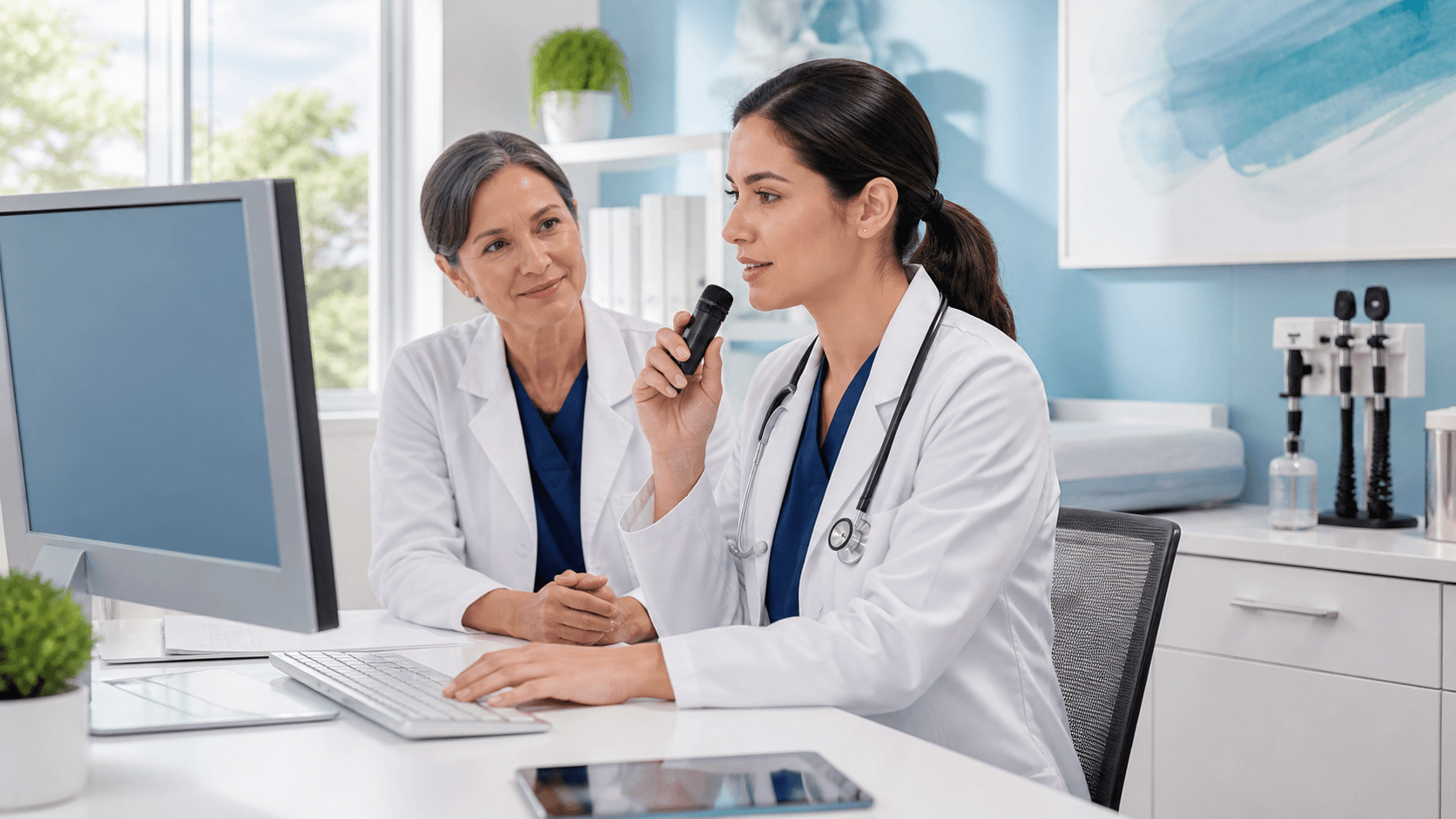
Reliable medical dictation systems are not just a nice extra for busy clinics; they are part of how care teams keep up with growing demand. When patient volume jumps in late spring and summer, slow or unreliable tools can turn a full day into a late night of charting. Multi-site groups feel this even more, because clinicians move between locations, devices, and care settings.
Warm weather brings its own mix of visits, like sports injuries, travel consults, allergy flares, and respiratory issues. Many teams also see more telehealth during school breaks and vacation season. When dictation stalls, loses audio, or mishears common terms, notes pile up. That leads to after-hours work, rushed documentation, and more stress for people who are already stretched across clinics and screens. Reliable medical dictation systems that are built for multi-site life help keep attention where it belongs: on the patient, not the keyboard.
Why Reliability Matters More in Multi-Site Networks
In a single small office, clinicians can sometimes work around weak tools. In a multi-site network, those workarounds break down. Each location may have different room layouts, devices, and background noise. If dictation works well at the main clinic but fails in satellite offices or on telehealth, documentation quality and speed will not stay consistent.
Common pain points include:
- Audio that drops or lags during busy times
- Weak recognition of specialty terms, medications, and procedures
- Different performance between exam rooms, office spaces, and home setups
- Systems that behave one way in the EHR and another way in other apps
When that happens, notes might be finished late, copied from old templates, or left thin on details. That can cause:
- Delays for cross-site follow-ups
- Missing or unclear histories for urgent visits
- Extra work for staff who are trying to reconcile information
Reliable dictation supports better clinical outcomes by helping:
- Clinicians finish notes closer to the time of the visit
- Teams capture more complete histories and assessments
- Care coordinators find the same level of detail no matter which clinic or telehealth visit the patient used
In other words, reliable medical dictation systems support both speed and continuity across the entire network.
Core Building Blocks of Reliable Medical Dictation Systems
Strong medical dictation starts with accuracy, but it cannot stop there. To serve multi-site clinics well, a solution needs a few key building blocks working together.
First, accuracy with clinical context. That means:
- Specialty-tuned vocabularies for fields like cardiology, pediatrics, or orthopedics
- Reliable handling of complex medication names, dosages, and procedures
- The ability to learn from corrections over time, while still protecting patient privacy
Second, performance and uptime. A cloud-based design can give:
- Low latency so words appear quickly in the EHR
- Resilience during peak loads, such as Monday mornings or back-to-school rushes
- Minimal downtime, no matter which clinic site a clinician is working in
Third, security and compliance. For healthcare groups, this includes:
- A design that supports HIPAA requirements
- Encryption for data in transit and at rest
- Role-based access and audit trails that help meet enterprise risk and compliance standards
When all three are in place, clinicians can trust that their words will be captured quickly and safely, even on the busiest days.
Designing for Multi-Site Scale, Mobility, and Consistency
Multi-site clinics need tools that travel as smoothly as their clinicians do. A big part of that is a single voice profile that follows each person. With the right setup, a provider can log in at the main campus in the morning, cover a satellite clinic in the afternoon, and do telehealth at home in the evening, all with the same:
- Accuracy
- Custom vocabulary
- Personal commands and preferences
Standardization also matters. Enterprise templates, macros, and workflows can be shared across locations so notes look and feel similar, which helps with quality review and cross-site care. At the same time, different departments still need room to tailor content for their specialties. The goal is a shared core with flexible edges.
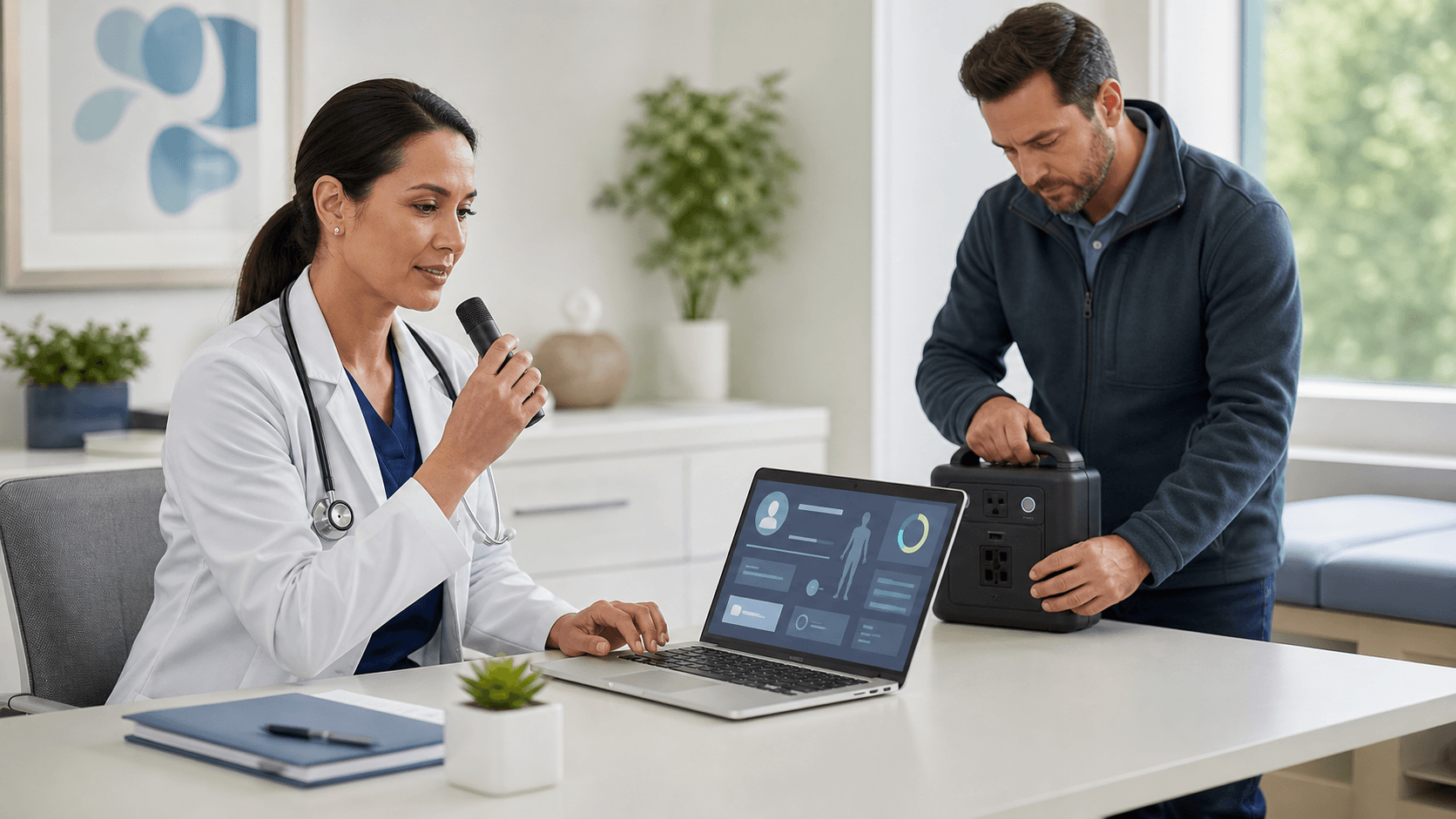
Device and environment readiness is another part of reliability. Multi-site networks often rely on a mix of desktops, laptops, tablets, and sometimes mobile devices. Exam rooms can be quiet, while urgent care pods may be noisy, especially during summer injury spikes. Thoughtful planning includes:
- Choosing microphones that match each space
- Using noise reduction features for high-traffic areas
- Testing set-ups in real rooms, not just in IT labs
This helps keep dictation clear and consistent from one clinic to another.
Seamless EHR Integration and Cross-Site Workflows
Reliable medical dictation systems do their best work when they sit directly inside the tools clinicians already use. Deep EHR integration lets providers dictate into structured and free-text fields like HPI, ROS, assessment, and plan without copy-and-paste. Notes then move naturally with the patient across sites and care settings.
Smart automation can help on the busiest summer days. For example, voice commands can:
- Insert common phrases or counseling language
- Launch often-used order sets
- Trigger shortcuts for routine follow-up plans
Hybrid care adds another layer. Many clinics blend in-person, urgent care, and telehealth. When dictation quality stays high across all three, care teams get a more complete picture of each patient. That means fewer gaps when a person moves from urgent care on a weekend to a primary care follow-up at a different site.
Rolling Out Speech Recognition Across Multiple Clinics
Getting reliable dictation into daily life across many clinics calls for planning, not just software. A phased rollout often works well, such as starting with one specialty or one site, then expanding. Helpful steps can include:
- Readiness checklists for IT and clinical leaders
- Pilot groups that give real-world feedback
- Clear timelines so users know what is coming next
Training and change management are just as important as the technology. Most clinicians want tools that help them, but they do not have time for long classes. Short, role-based training plus quick tips can help people become productive in a few days. Many groups also name super-users at each site, so peers have a friendly expert nearby.
To understand if the rollout is working, clinics can track trends over time, such as:
- Average documentation time per note
- Share of charts closed on the same day of service
- After-hours EHR time across sites
- Clinician satisfaction with documentation tools
These metrics help leaders see where reliable dictation is taking pressure off the system and where more support may be needed.
How Dragon Medical One Supports Multi-Site Documentation
Dragon Medical One is a cloud-based medical speech recognition platform built to support exactly this kind of multi-site, multi-workflow reality. Because it lives in the cloud, it is designed to deliver consistent, high-accuracy dictation across locations, using the same voice profile wherever a clinician signs in. That helps keep performance steady whether someone is in a main clinic, a smaller satellite, or working through telehealth.
The platform is built for strong integration with leading EHRs and clinical applications, so providers can dictate directly into their daily tools instead of jumping between windows. IT teams can centrally configure, monitor, and support multiple clinics, which helps keep standards aligned even as organizations grow.
Across many different types of healthcare settings, groups have used Dragon Medical One to reduce time spent on manual typing, support more complete notes, and cut down on after-hours documentation. For multi-site clinics facing busy summer seasons and beyond, reliable medical dictation systems like this can be a practical way to support clinician well-being and more consistent care, visit after visit, site after site.
Streamline Clinical Documentation With Speech-Driven Workflows
If you are ready to reduce clicks and reclaim more time with patients, we can help you move to fast, accurate speech documentation that fits your daily workflow. At Dragon Medical One, we design reliable medical dictation systems that integrate with your existing EHR and support how you already work. Partner with us to simplify charting, improve note quality, and give clinicians tools that actually save time. Let us show you how quickly your team can get up and running with a modern, cloud-based dictation solution.