Summer brings real pressure to outpatient clinics. Visit counts jump, staff go on vacation, and charts start to pile up. When documentation falls behind, revenue does not just slow down; it quietly leaks away through missed details, weak coding, and delayed claims.
In this article, we walk through how summer surges affect documentation and cash flow, why speech recognition for outpatient clinics fits these busy months so well, and how a cloud-based tool like Dragon Medical One, supported by Try DMO, can help protect both revenue and clinician sanity when the days get long and hot.
Turn Summer Patient Spikes Into Revenue Wins
Summer in outpatient care is not exactly slow and easy. Many teams see:
- Vacation coverage gaps and smaller schedules for nurses and MAs
- More acute visits for injuries, heat-related issues, and travel bugs
- Extra elective procedures squeezed in before school and sports restart
On paper, higher volume should mean stronger revenue. In real life, the opposite can happen if documentation cannot keep up. When notes are late or thin, it creates:
- Coding delays that slow payments
- Missed charges for procedures, injections, or supplies
- Documentation that does not fully support medical necessity
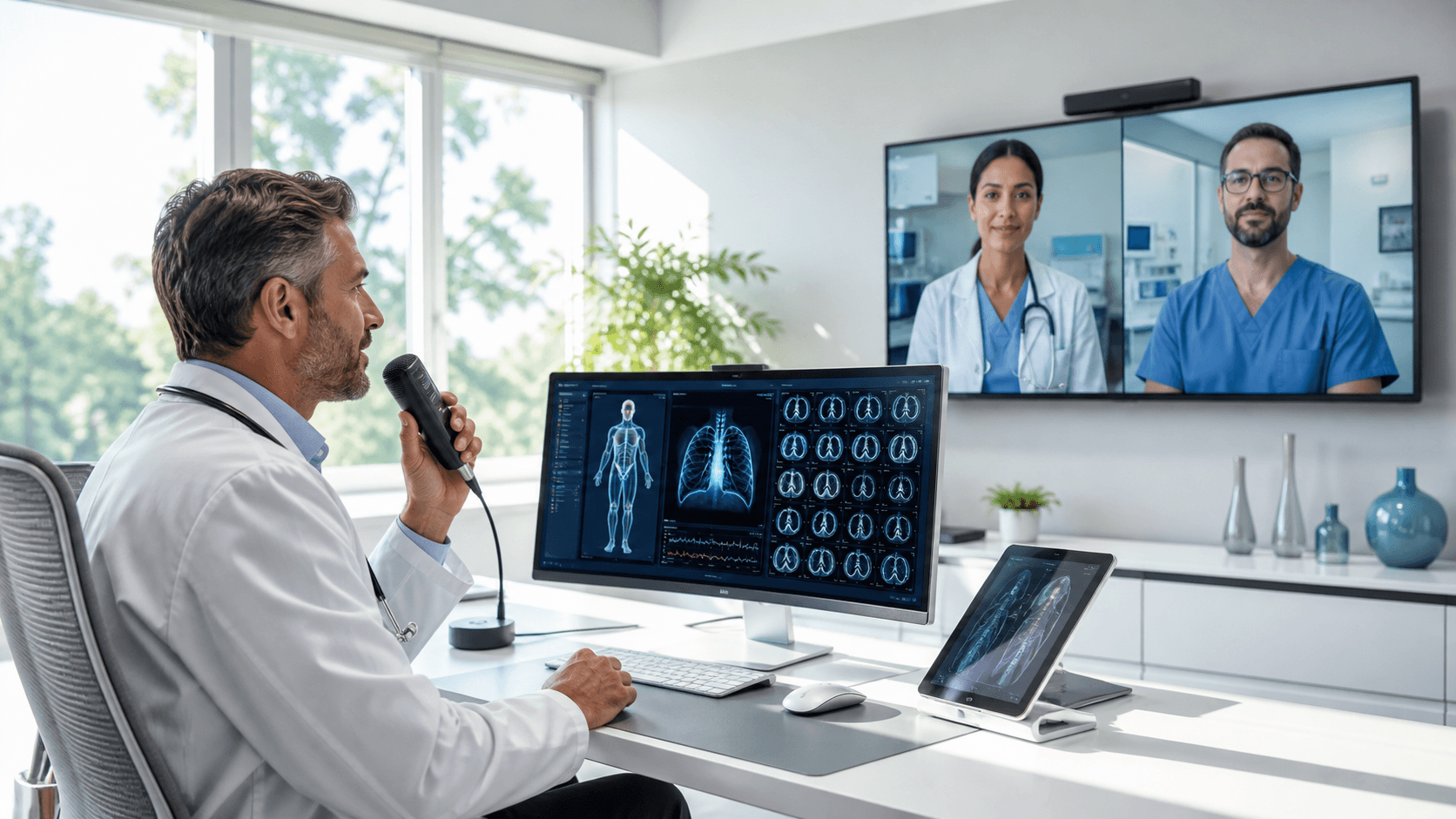
Cloud-based speech recognition for outpatient clinics helps flip this script. Instead of letting charts pile up until the end of the day or week, clinicians can speak their notes in real time, right in the room or between visits. Documentation keeps pace with the schedule, even when the schedule is packed and the team is short-staffed.
At Try DMO, we focus on one thing: helping healthcare organizations deploy Nuance Dragon Medical One so clinicians can document faster and more completely, without sacrificing quality, even during peak summer surges.
How Summer Documentation Gaps Drain Revenue
Summer does not just add visits, it changes workflows. Common patterns we hear from outpatient leaders include:
- Locums or temporary staff who are new to your EHR and templates
- Clinicians covering extra clinics or locations at odd times
- More after-hours charting, often done when people are tired
Those patterns cause real problems for the revenue cycle. When documentation is rushed or done days after the visit, it is easy to:
- Undercode complex summer visits, like mixed acute and chronic issues
- Skip billable procedures, injections, or durable supplies in the note
- Leave out key details that support a higher-level E/M code
On top of that, delayed charting tends to raise compliance risk. Fatigued clinicians are more likely to rely on copy-paste, reuse generic text, or miss elements needed to show medical necessity. When an audit comes later, thin or cloned notes can be hard to defend, especially for busy summer periods with high visit churn.
Speech recognition does not replace good clinical judgment, but it can remove some of the friction that leads to these gaps. When it is easier and faster to create a full, clear note, it is more likely to get done right the first time.
Why Speech Recognition Fits Outpatient Summer Workflows
Outpatient care moves fast, especially in summer. Schedules can shift by the hour as same-day sick visits get squeezed into already full days. Speech recognition for outpatient clinics fits this pace because it lets providers speak the story of the visit while it is still fresh.
Instead of trying to remember details at 8 p.m., a clinician can:
- Dictate the HPI, assessment, and plan in the exam room
- Capture minor procedures and instructions in the moment
- Update problem lists and follow-up plans on the fly
This is especially helpful for:
- High churn days with back-to-back same-day visits
- Minor procedures like lesion treatment or joint injections
- Follow-up visits where small details matter for future care
Portability matters here too. With a cloud-based tool, clinicians can dictate from different exam rooms, satellite clinics, or shared workstations. When schedules bounce between locations, the speech profile follows them, so they get the same voice experience anywhere with a network connection.
That flexibility can make a big difference when coverage plans change week to week during summer and staff float between sites to keep up with demand.
Protecting Revenue with Dragon Medical One and Try DMO
Dragon Medical One is built for medical speech recognition. When outpatient teams use it, they can support better revenue capture by making it easier to document the details coders and payers look for.
With more complete and specific notes, clinics can:
- Support higher-level E/M codes when they are truly appropriate
- Clearly document procedures, supplies, and counseling time
- Reduce rework from coding queries and documentation addendums
Because Dragon Medical One is cloud-based, it also fits the fast change of summer operations. Organizations can:
- Keep vocabularies and templates current across all locations
- Onboard temporary staff and new hires quickly
- Apply consistent documentation standards across the group
For IT and security teams, summer can be just as stressful as it is for clinicians. A secure cloud platform helps by reducing the need to manage local speech engines on every device. Dragon Medical One is designed for healthcare use, with HIPAA-ready architecture and centralized management, which helps support both privacy and operational control when clinics are stretched thin.
Speed, Accuracy, and Burnout Relief for Busy Clinicians
Revenue protection matters, but so does the human side. Long summer days followed by long summer nights of charting can wear people down. When we talk with outpatient providers, many say the same thing: they want their time off to actually feel like time off.
Speech recognition helps by:
- Cutting down on after-hours charting
- Turning dead time between visits into short documentation bursts
- Making it easier to finish the note before the next patient
Faster, voice-driven documentation can also support better patient communication. When clinicians document in real time, they can stay present, keep eye contact, and still capture the story of the visit. That makes notes feel more individual and less generic, which patients notice.
Better documentation also supports downstream care. Clear, detailed notes help:
- Specialists understand why a referral was made
- Imaging centers see the clinical question they are answering
- Physical therapy or other services follow the intended plan
This is especially useful in summer, when patients may travel, see different providers, or bounce between locations. Good notes help hold the thread of the story.
Your Summer Readiness Plan with Try DMO
Getting ready for summer documentation surges does not have to be overwhelming. A simple plan can set outpatient clinics up for a smoother season. Leaders can start by:
- Reviewing where documentation backlogs showed up in past summers
- Flagging high-volume clinics and providers with frequent after-hours charting
- Setting clear goals for note turnaround time and days in A/R
From there, speech recognition can be introduced in a focused way. Many groups start with a pilot for selected clinicians or clinics, then expand. Key steps often include:
- Training sessions tailored to specialties and workflows
- Building smart phrases and templates that match existing EHR patterns
- Ongoing optimization to keep documentation fast and consistent
At Try DMO, our role is to help healthcare organizations stand up Dragon Medical One in a way that fits real outpatient life, with flexible schedules, multiple locations, and those hot, busy months when everything hits at once. By planning ahead and giving clinicians better tools, outpatient leaders can turn summer documentation surges into protected, and even stronger, revenue while also giving their teams a little breathing room when it matters most.
Streamline Your Clinic Workflow With Smarter Documentation
Discover how Try DMO can help your team chart faster, reduce after-hours work, and refocus time on patient care. Our tailored speech recognition for outpatient clinics is designed to fit your existing workflows, not disrupt them. See how our solutions support different specialties and staffing models, and find the right fit for your clinic today.