Turn Documentation Into a Strategic Advantage
Clinical documentation should support care, not swallow every free minute. Notes need to be clear, complete, and on time, but many doctors and nurses end up typing long after the clinic closes. When that happens, summer evenings, weekends, and family time disappear into a pile of unfinished charts.
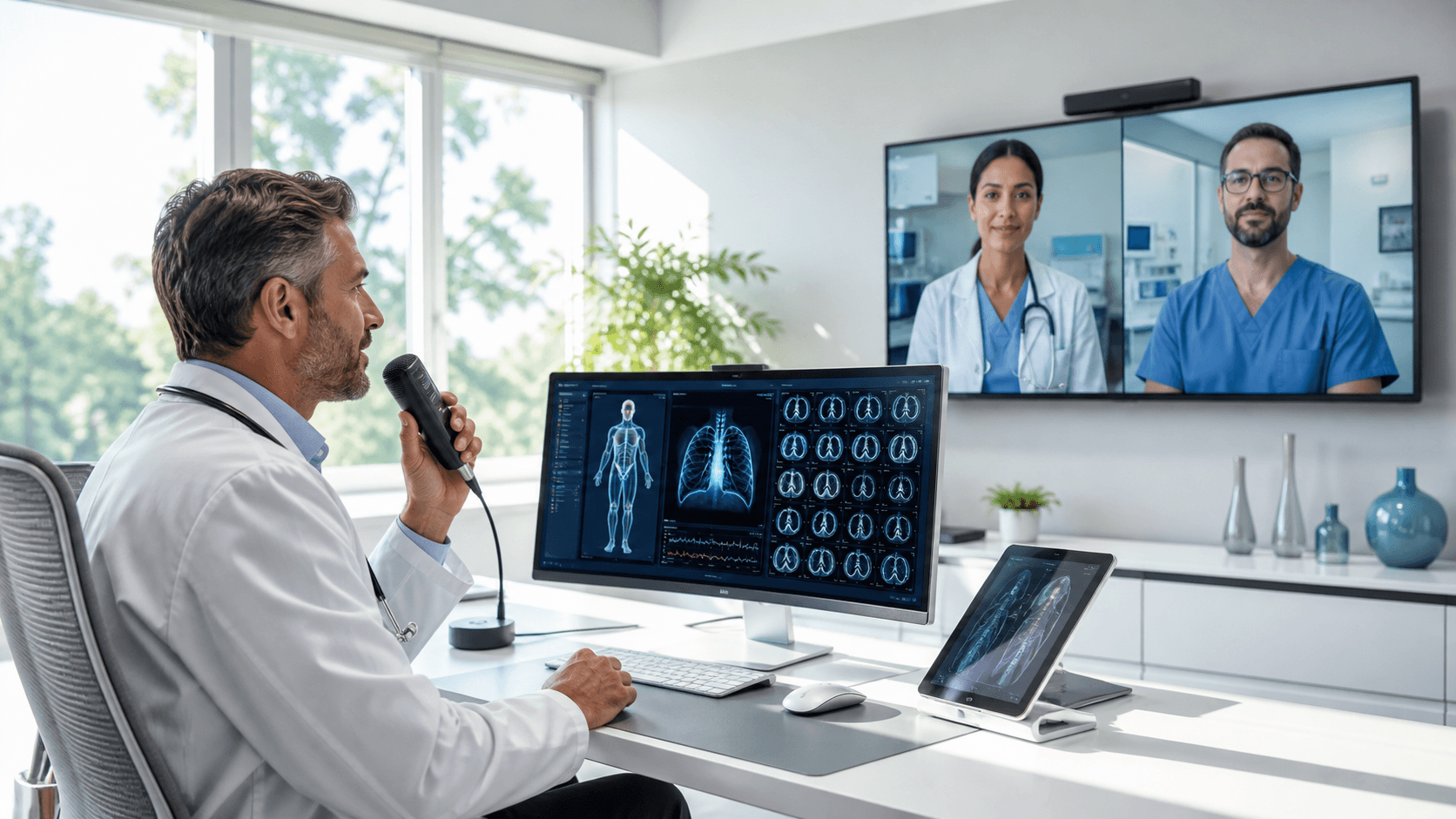
Cloud medical dictation offers a different path. Instead of staring at a keyboard at the end of the day, clinicians can speak naturally during the visit and see the note build in real time. As organizations get ready for higher patient volumes in the fall, this shift can protect both patient access and clinician well-being.
At Try DMO, we help healthcare teams use Dragon Medical One to speed documentation while keeping quality high. We focus on making speech recognition secure, scalable, and ready for future changes in regulations and technology, whether you are a single clinic or a large health system.
Why Traditional Documentation Is Holding You Back
Old documentation workflows were not built for telehealth, team-based care, or fast-changing payer rules. Many groups still rely on:
- On-premise transcription systems that are hard to maintain
- Manual typing that pulls attention away from the patient
- Separate tools for different locations or specialties
These setups slow everything down. When software is aging or hard to access, notes pile up. Clinicians carry work into the evening, click through multiple screens, and try to remember details from hours before. Over time, that constant pressure can drive frustration and turnover.
The impact does not stop at the clinician. When documentation lags, it can lead to:
- Delayed or incomplete notes in the EHR
- Gaps in data used for quality reporting and analytics
- Inconsistent patient instructions or follow-up plans
Trying to simply "work faster" inside this old model is not a real solution. As volumes rise toward the end of the year and staffing stays tight, the gap between what the system demands and what people can give only grows.
How Cloud Medical Dictation Transforms Daily Practice
Cloud medical dictation lets clinicians create notes by speaking, wherever they chart. The speech recognition lives in the cloud, so there is no heavy local setup. All you need is a secure connection and your normal device.
Dragon Medical One brings this to life by offering:
- Real-time recognition tuned for medical language
- Support for many specialties and care settings
- Adaptation to each clinician's voice and phrasing over time
In daily practice, this means the clinician can talk through the history, exam, and plan while still engaging with the patient. The note appears directly in the EHR, ready for quick review. The story is often richer, because it is captured while the details are fresh, not hours later when everyone is tired.
Workflows change in simple but powerful ways:
- Notes are built during the visit instead of after it
- Less copy and paste, more natural narrative
- Fewer unfinished charts following clinicians home
Because the platform is cloud-based, updates arrive without long downtime or big upgrade projects. New vocabularies, accuracy improvements, and performance gains roll out in the background, so clinicians keep moving without waiting for IT to schedule major changes.
Securing PHI in a Cloud-First Documentation World
Any shift to cloud tools raises a fair question: what about patient privacy? Cloud medical dictation must protect PHI at every step, or it has no place in care.
Modern solutions address this with:
- Enterprise-grade encryption for data in transit and at rest
- Role-based access controls that match organizational policies
- Detailed audit trails for user activity
Dragon Medical One is built with these needs in mind, and authorized providers help healthcare organizations line up with key requirements, including HIPAA, state privacy rules, and payer documentation expectations. The goal is simple: keep PHI safe while keeping the work moving.
For systems with multiple sites or hybrid setups, central cloud management adds more control. IT leaders can:
- Standardize user profiles and vocabularies
- Apply consistent security settings across locations
- Respond quickly if new cybersecurity threats appear
Working with an authorized Dragon Medical One provider also supports strong vendor oversight. It gives IT and compliance teams a clear view into infrastructure design, reliability planning, and ongoing risk reviews, instead of leaving them to guess how a tool really works behind the scenes.
Building a Future-Proof Documentation Strategy Today
Mid-year is a smart time to rethink documentation. Summer schedules often have a bit more flexibility, and there is still time to prepare before fall and winter bring higher patient volumes and more complex cases.
Cloud medical dictation can be the base for larger digital goals. Once speech recognition is in place, it becomes easier to connect with:
- Consistent documentation workflows across clinicians, specialties, and locations
- Analytics and quality-reporting efforts supported by more complete, timely documentation
- Ongoing vocabulary, profile, and workflow refinements as organizational needs change
To make the change stick, it helps to be intentional. Many organizations start by:
- Choosing a few specialties or sites as early adopters
- Identifying clinician champions who are curious and open to trying new workflows
- Setting simple success markers, like less after-hours charting or faster note completion
During summer and early fall, teams can test, adjust templates, and refine training before the busiest months arrive. At Try DMO, we focus on helping clients with setup, education, and EHR template tuning so the speech recognition fits the way people already work, instead of forcing them into a rigid new pattern.
Over time, regular reviews of performance and user feedback keep documentation aligned with broader goals like burnout reduction, patient communication, and quality reporting. The strategy becomes a living plan, not a one-time project.
Take the Next Step Toward Frictionless Documentation
Cloud medical dictation is about more than talking instead of typing. It is about reshaping how documentation fits into the day, so clinicians can care for patients, then actually close the chart and go home. With the right setup, teams see fewer late-night notes, more complete stories, and a documentation platform that can grow as regulations and technology change.
Dragon Medical One, delivered by Try DMO, gives healthcare organizations a way to move in that direction with purpose. By starting with one high-impact area and building from there, leadership, IT, and clinical teams can work together to create a documentation roadmap that supports both patient care and clinician well-being, season after season.
Streamline Clinical Documentation With Secure Voice Technology
At Try DMO, we help clinicians save time and reduce documentation fatigue with our secure, cloud-based speech solutions. If you are ready to move away from clunky desktop software and experience faster, more accurate notes, explore our cloud medical dictation option. We make setup simple so you can focus more on patients and less on paperwork. Start modernizing your documentation workflow with us today.