How Modern Dictation Frees Clinicians From the Keyboard
Clinical work does not slow down just because it is hot outside. In many clinics, July means packed waiting rooms, more walk-ins, and fewer staff because of vacations. That is also when documentation piles up, inboxes grow, and everyone feels behind. When notes depend on human transcription, the bottlenecks hit right when you need speed the most.
This is where automated medical transcription starts to change the story. Instead of talking into a recorder and waiting hours or days, clinicians can speak directly into the chart and see words appear almost right away. With cloud speech recognition, that workflow follows them from the exam room to the office, to home. We will look at why many groups are moving away from legacy transcription, how modern dictation workflows actually look in daily practice, and how to shift with less stress and disruption.
Why Legacy Transcription Is Holding Care Teams Back
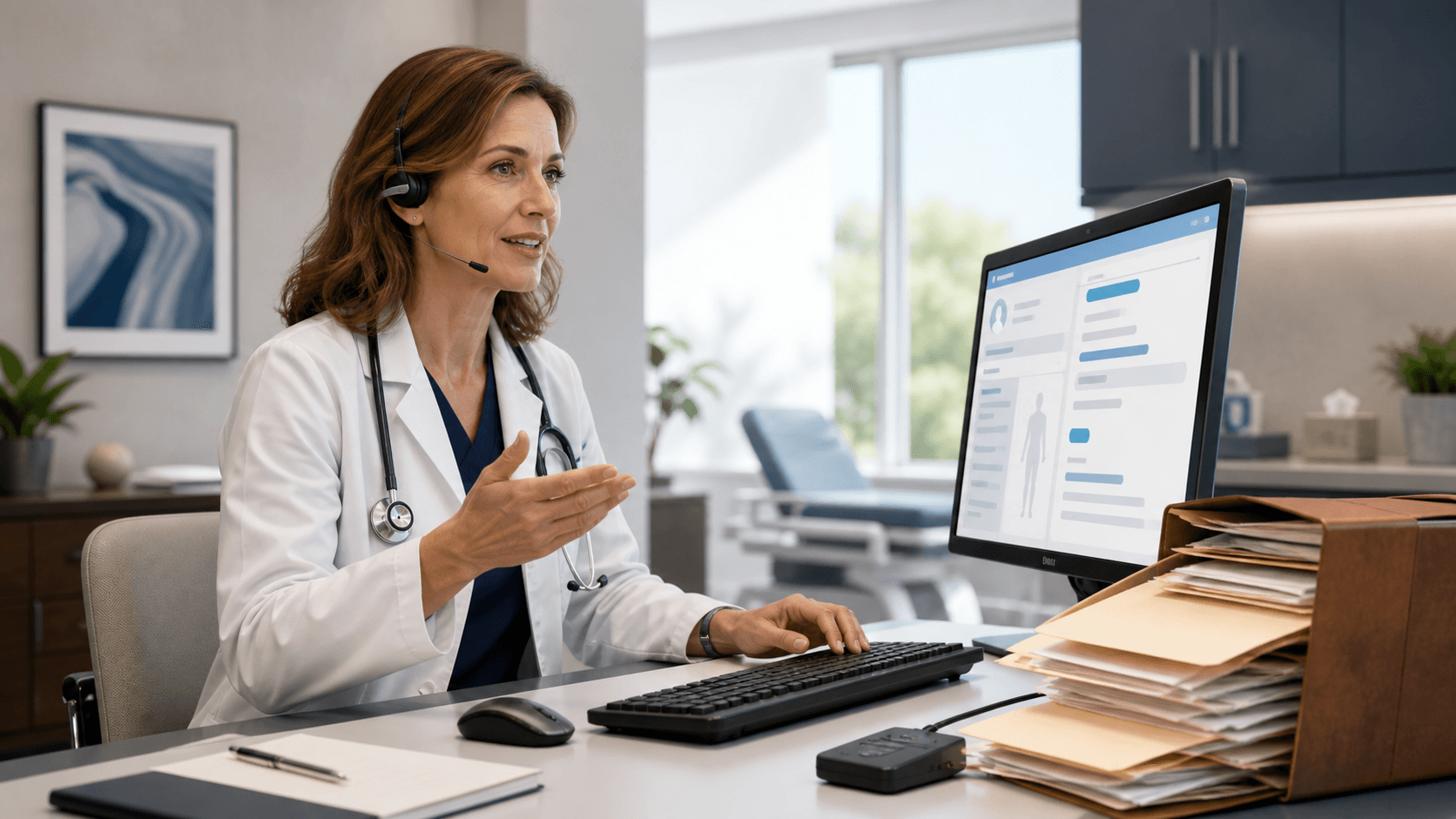
Traditional human transcription seems simple at first, but the steps add up. A provider finishes a visit, grabs a phone or recorder, and dictates. Those files get batched and routed to a transcription team. Then there is waiting, edits, and more waiting. When visit volume jumps in the summer, those queues can stretch even longer.
Common pain points with this old model include:
- Slow turnaround times when volumes spike
- Extra back-and-forth to correct medical terms or templates
- Notes still unsigned days after a visit is done
- Staff scrambling to find missing reports or versions
There are also hidden costs that rarely show up on a single line item. Many organizations pay per line or per minute for human transcription, which can rise quickly when clinics are busy. Doctors and advanced practice clinicians often spend evening hours checking and fixing transcribed notes. When charts are late, billing can be pushed back and coding teams are stuck waiting.
Risk and compliance concerns grow with time gaps too. When there are long delays between the patient encounter and the final note, details can get fuzzy. Different transcriptionists may format notes in different ways, which makes it hard to keep a consistent style across the group. Errors can sneak in and stay hidden until they show up in an audit or quality review. Over time, that adds stress for both clinicians and administrators.
How Automated Medical Transcription Changes the Workflow
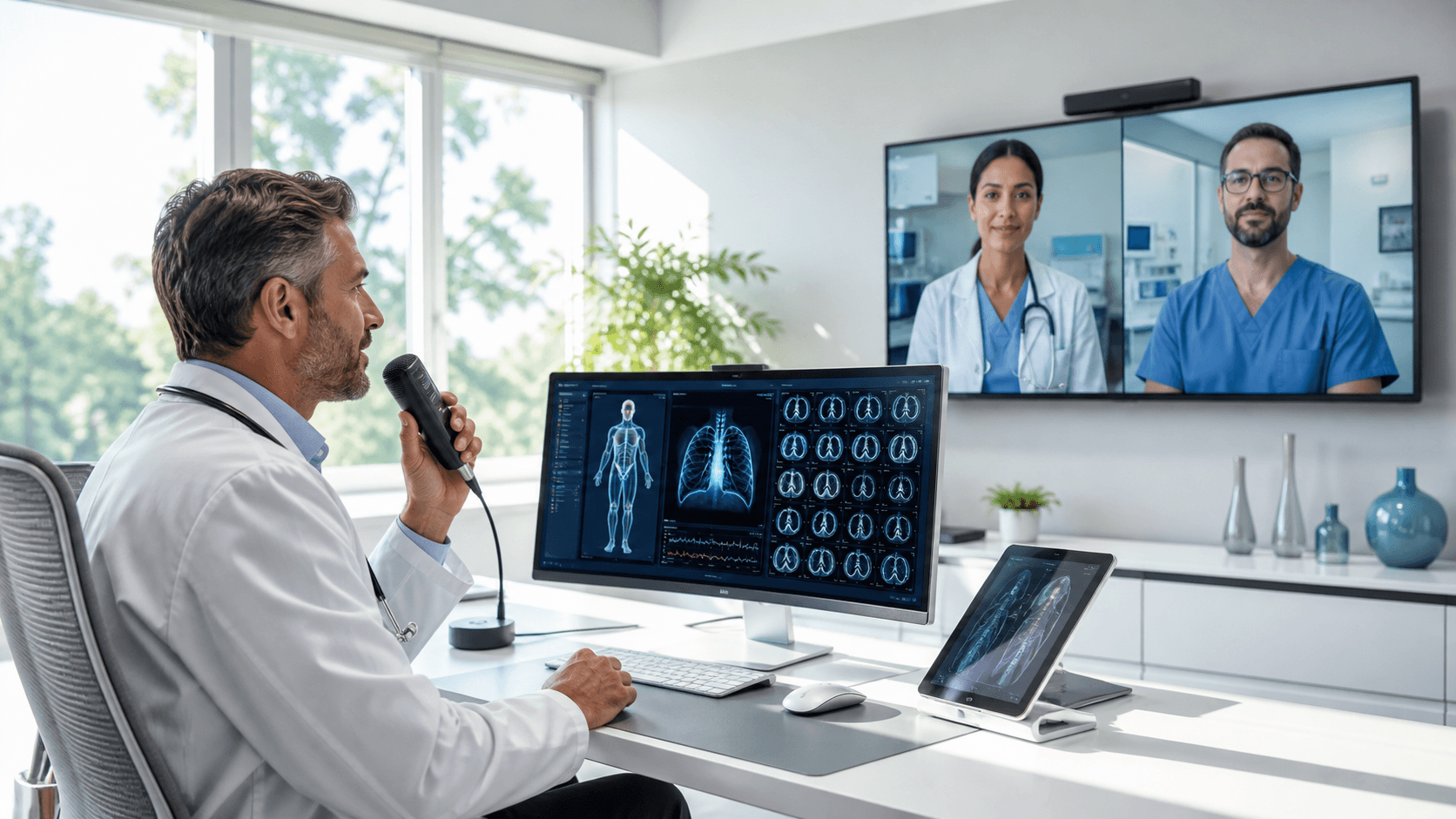
Automated medical transcription is simply speech recognition tuned for clinical work. Instead of sending audio to a person, the clinician speaks and the system turns that speech into text right away. With a cloud-based tool, they can do this from different devices across locations, as long as they are signed in.
A modern workflow can look like this:
- The clinician logs into a cloud speech recognition app connected to the EHR
- During or right after the visit, they dictate history, exam, and plan directly into the note
- They use voice commands to pull in templates, insert macros, or move between fields
- They review and edit on the spot, then sign the note the same day
For teams that feel the pinch in summer, this timing matters. When notes are finished in near real time, charts close sooner, coders can start earlier, and billing does not have to wait for a transcription queue. Clinicians can wrap up documentation before they leave the clinic, instead of logging in at night from home. Workflows feel smoother, even when the waiting room feels full.
Key Benefits of Automated Dictation for Healthcare Organizations
When automated medical transcription becomes part of daily practice, the impact reaches across the organization, not just the individual provider.
On the productivity and clinician experience side, groups often see:
- Less time spent typing long histories and complex plans
- Fewer late-night and weekend hours catching up on charts
- Easier capture of nuanced details that might be skipped under time pressure
When colleagues are out on vacation, those still in the clinic tend to carry heavier loads. Having quick, reliable dictation helps them stay on top of charts even when schedules stretch.
There are also financial and operational benefits. Faster documentation often means:
- Shorter gaps between visit, coding, and claim submission
- Fewer rejected claims due to missing or unclear documentation
- Less dependence on outside transcription services and their delays
Because cloud dictation is usually based on a consistent subscription model, leaders can plan capacity across the year without trying to guess seasonal spikes in line-based costs.
Quality, accuracy, and compliance all fit into this picture too. Clinical speech recognition is designed to understand medical language, drugs, and diagnoses in ways general tools often miss. Standard templates and voice commands help keep notes consistent across clinicians and sites. That structure supports documentation that lines up better with payer expectations and regulatory checks, while still letting each clinician keep their own voice and style.
Building a Scalable Automated Dictation Strategy
Switching from human transcription to automated workflows works best with a clear plan. The first step is a simple assessment. Leaders can look at:
- Where human transcription is used now and how often
- Which specialties have the heaviest documentation burden
- How long it takes to close charts and send claims
- Seasonal patterns, like summer surges or flu season spikes
From there, it is easier to set realistic goals around turnaround times, provider satisfaction, and documentation quality.
Next comes technology and change management. Choosing a cloud-based speech recognition platform that works with your EHR is key. Security and access need attention too, so clinicians can sign in from different clinics, hospitals, or home offices while staying within privacy rules. Specialty-specific vocabularies, templates, and voice commands help different service lines feel supported from day one, whether they are in primary care, surgical care, or behavioral health.
Training and support keep the shift from stalling out. Many organizations start with a small group of early adopters who become super users. They learn advanced commands, fine-tune templates, and share tips with peers. Tracking metrics like note completion time, chart closure rates, and provider feedback highlights quick wins and spots where workflows still need adjustment. An experienced implementation partner can guide this process, provide hands-on training, and help adjust the setup over time so adoption stays strong and the system grows with the organization.
Take the Next Step Toward Smarter Dictation Workflows
As the next busy season approaches, this is a natural time to look at how much your teams still depend on human transcription. Simple metrics can give a clear picture: average turnaround time for transcribed notes, cost per note, and how long it usually takes providers to sign off. When those numbers feel out of sync with patient demand, it may be time to rethink the workflow.
At Try DMO, we focus on helping healthcare organizations move from legacy transcription to automated medical transcription powered by Dragon Medical One. With cloud-based speech recognition, secure access, and implementation support that fits real clinical life, we work with teams to build step-by-step plans that fit their staffing, specialties, and EHR environment. By reworking documentation now, before the next surge hits, care teams can spend less time stuck at the keyboard and more time where they are needed most: with patients.
Streamline Clinical Documentation While Protecting Your Time
If you are ready to reduce charting fatigue and focus more fully on patient care, Try DMO can help you make the switch to automated medical transcription. Our team works with your existing workflows so you can capture accurate notes without adding extra steps to your day. Reach out to explore how we can tailor our solution to your specialty and practice size.