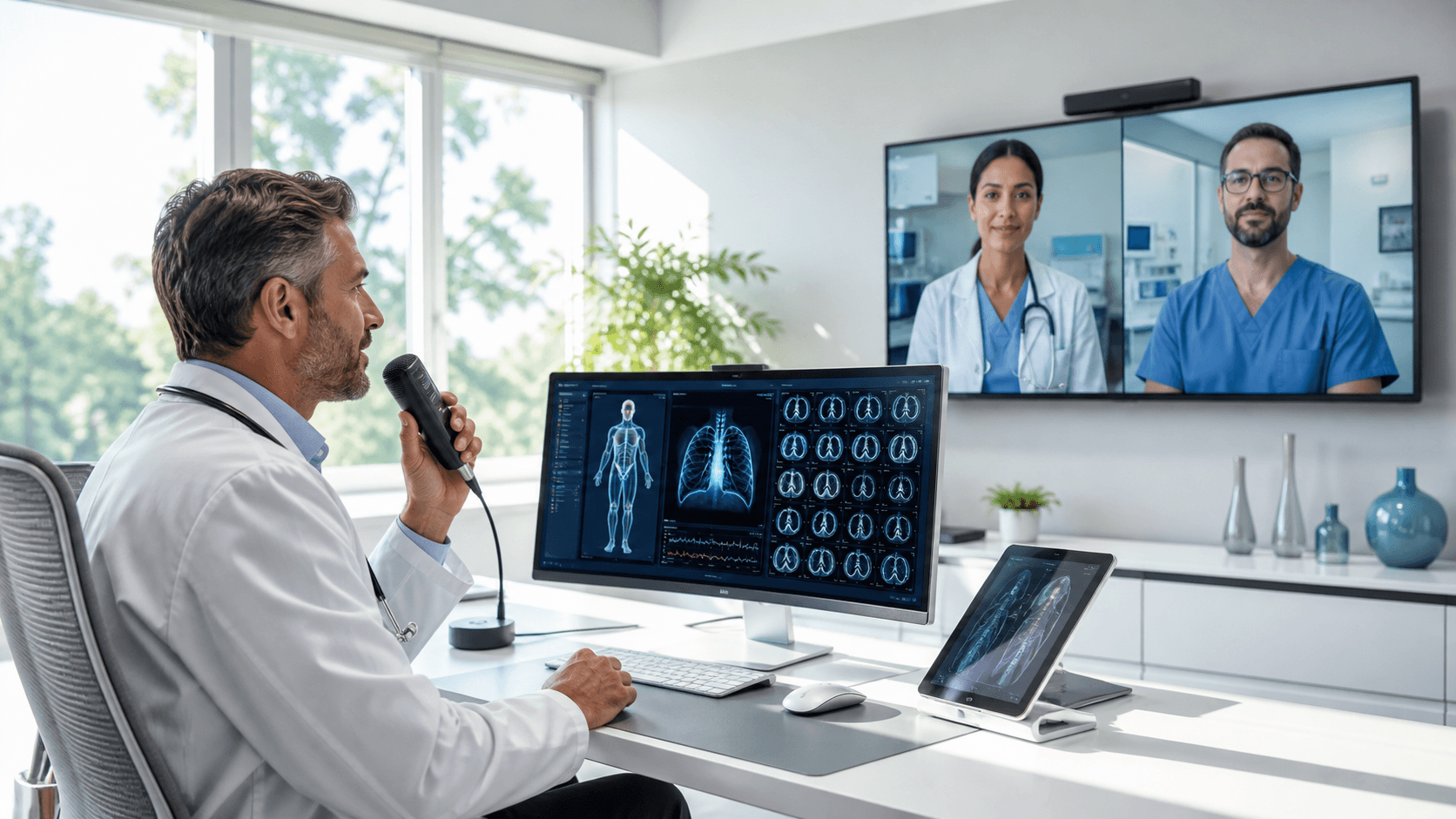
When Faster Dictation Starts Creating Sloppier Notes
Electronic medical records dictation is supposed to make life easier. You talk, the note appears, and you get home before dark. That is the dream. But many clinicians find that when they start dictating straight into the EMR, they get more addenda, more patient messages, and more questions from coding and compliance. The note may be faster, but not always better.
As summer schedules fill up, this gap shows up even more. Clinics are packed, people are on vacation, residents are new, and everyone is moving fast. When speed becomes the main goal, note quality can quietly slip. This does not mean speech recognition is bad. The real issue is how dictation is set up, used, and supported inside the EMR. At Try DMO, we work with Dragon Medical One every day, and we see the same patterns across organizations of all sizes. The good news is that with the right workflow, speech can become a quality booster instead of a risk.
How EMR Dictation Undermines Clinical Clarity
When things get busy, many clinicians start talking faster to keep up. With electronic medical records dictation, that can mean the software struggles to keep up with rushed, mumbled, or distracted speech. A quick glance over the note might not be enough to catch every error.
Common problems include:
- Misheard medications or dosages
- Jumbled phrases that sound fine out loud but look odd on the screen
- Missing words that change the meaning of a sentence
- Wrong body side or body part when the voice is not clear
Another quiet problem is template overload. EMRs often offer long templates, smart phrases, and copy-forward tools. Add dictation on top, and notes can grow into walls of text where the real thinking is lost. Key details about why a decision was made or why a test was ordered can vanish inside long generic blocks.
We also see notes that only focus on what happened that day. If the dictation captures a quick list of symptoms and a plan but skips over important history, current meds, or the provider's differential, the story of the patient gets broken. That makes it harder for the next clinician to follow the thread and can lead to missed connections.
Free-text dictation can also drift away from the structured fields in the EMR. For example:
- The problem list says one thing, but the dictated assessment says another
- Allergies in free text do not match the coded allergy list
- Medications are described in the note but never updated in the meds module
Now you have conflicting data in the chart. This confusion affects every person who touches that record later, from nurses to specialists to coders.
Turning Dictation Into a Clinical Quality Engine
Speech recognition can absolutely support better notes, but it needs to be set up with care. One big step is smarter configuration. With a tool like Dragon Medical One, that can mean using:
- Specialty-specific vocabularies
- Custom voice commands for common phrases or sections
- Voice shortcuts that fill structured fields inside the EMR
This lets the system capture clear, precise language that maps to the way the clinician already thinks and documents.
Next comes the structure of the note itself. Templates are not the enemy. The problem is when they replace thinking instead of supporting it. A strong pattern is to use shorter, focused frameworks and then add dictated narrative in key spots like assessment and plan. That keeps the note readable but still rich with clinical reasoning.
A small but powerful habit is real-time review. Building a 30- to 60-second "verify and refine" step into each encounter helps catch the worst errors before they stick. Many providers find it faster to correct with their voice than with a mouse or keyboard, especially for small wording changes.
Training Your Team to Dictate for Quality, Not Just Speed
Not every user needs the same training. A surgeon dictates different notes than a pediatrician. A therapist is not documenting the same way as an emergency doctor. Training works best when it is role-based and tied to the actual screens and note types people use every day.
We often encourage a "think out loud" approach. Instead of dictating only findings and orders, clinicians can speak their:
- Differential diagnoses
- Reasons for tests or referrals
- Shared decision-making with the patient
- Response to treatment over time
This makes the hidden cognitive work visible in the chart, which helps team members and supports coding and quality programs.
Feedback loops matter too. Periodic reviews, quality checks, and user analytics from tools like Dragon Medical One can show patterns:
- Common misrecognitions
- Sections that are often left incomplete
- Copy-forward habits that create clutter
When this feedback is given in a supportive way, not as blame, people are more open to small changes that improve both speed and clarity.
Seasonal timing helps. Summer is often when schedules shift, new residents start, and coverage patterns change. Planning extra training and support around those transitions can prevent a wave of low-quality notes when clinics are already under pressure, especially in places with hot summers and stretched staff.
Partnering with Experts to Restore Note Quality
Many organizations are not sure if electronic medical records dictation is helping or hurting. A good first step is a simple check of current reality. Look at:
- How often addenda are added to notes
- The rate of coder queries tied to documentation gaps
- How many hours providers spend charting after hours
- Common complaint themes from clinicians, coders, or compliance
Patterns usually show up quickly. They point to where speech recognition is working well and where it is causing friction.
As an authorized Dragon Medical One provider, Try DMO spends a lot of time helping teams fine-tune this balance. We focus on real workflows, real screens, and real user habits so that speech recognition supports clear, accurate, and efficient documentation instead of making notes longer and weaker. When electronic medical records dictation is aligned with good training, smart templates, and thoughtful review, it becomes a true partner in care, not just another box to check.
Streamline Clinical Documentation And Reclaim More Patient Time
If you are ready to reduce charting fatigue and improve documentation accuracy, we can help you make the transition simple. At Try DMO, our electronic medical records dictation solution is built to fit your existing workflows so you do not have to start from scratch. See how quickly your team can move from manual typing to fast, reliable voice-driven notes. Get started today and give your clinicians more time for what matters most: patient care.