Reduce After-Hours Charting with Dragon Medical One
Late summer is a smart time to reset documentation habits before fall schedules fill up with school physicals, chronic-care follow-ups, higher visit volume, and shifting staffing needs. At Try DMO, we help clinicians use Dragon Medical One medical speech recognition to capture more of the note while the encounter is still fresh, so fewer details need to be rebuilt from memory at the end of the day.
Reducing after-hours charting is not about rushing through every patient visit. It is about creating a steady workflow for common note sections, reusable AutoTexts, voice commands, specialty vocabulary, and quick chart-review checkpoints.
Use Dragon Medical One for High-Volume Notes
The best place to begin is usually the part of your documentation that takes the most time after clinic. For some clinicians, that is the history of present illness. For others, it may be assessment and plan details, follow-up instructions, or result-review notes. We recommend starting with one repeatable task instead of trying to change your entire documentation style at once.
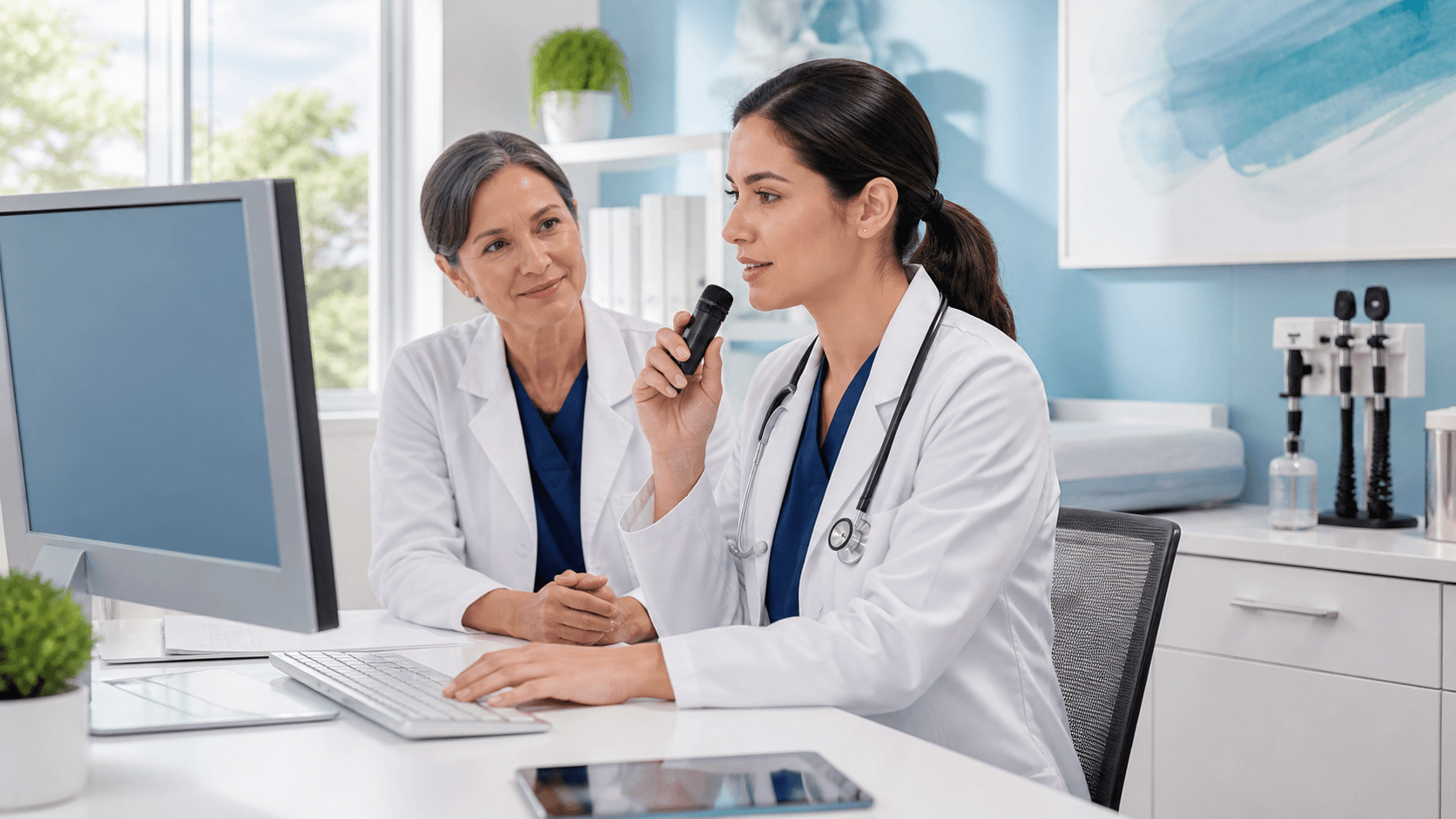
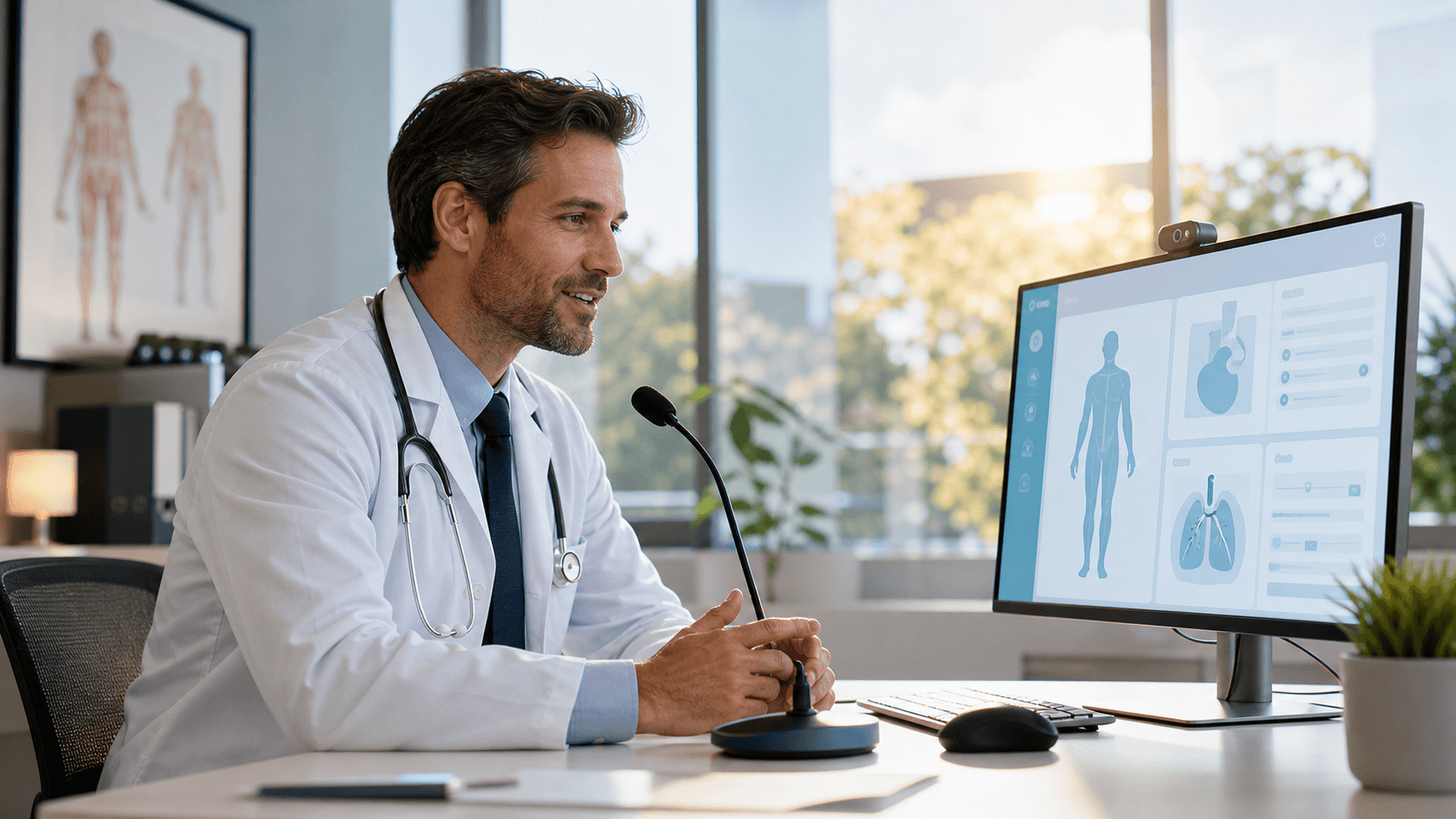
Dragon Medical One can support real-time dictation for common parts of a note, including the review of systems, physical exam findings, assessment details, and patient instructions. Speaking the routine clinical narrative as you work can help you capture details before the next encounter changes your focus.
Keep dictation short and organized. Rather than speaking an entire note in one long stretch, work through one section at a time:
- Dictate the visit narrative in clear, complete thoughts.
- Pause to review the section before moving ahead.
- Add assessment details and follow-up plans while the discussion is recent.
- Complete patient instructions before closing the encounter when appropriate.
This pattern gives you a chance to catch wording or missing details early. It can also reduce the larger editing task waiting at the end of the day.
Turn Repeatable Content Into AutoTexts and Commands
AutoTexts can take repetitive typing out of the routine parts of documentation. We often recommend building a small, focused library around the visit types you see most often. A primary care clinician may begin with language for diabetes follow-ups, annual wellness visits, counseling statements, and return precautions. A specialist may focus on procedure notes, monitoring plans, or post-treatment instructions.
The goal is not to create a note that writes itself. AutoTexts work best as reliable starting points that you shape for the patient in front of you. Add the findings, decision-making details, and instructions that make the documentation accurate and meaningful for that visit.
Voice commands can help keep your hands off the keyboard during that process. In Dragon Medical One, commands can support common actions such as moving between fields, adding punctuation, selecting text, correcting words, deleting content, and organizing the note. Instead of trying to memorize every command available, we suggest making a few high-value commands part of every note.
Start with commands for:
- Creating a new line or new paragraph.
- Moving among common note sections.
- Selecting recent text for a quick correction.
- Deleting unwanted wording.
- Adding punctuation as you dictate.
Practice these during administrative time or less complex visits. Repetition matters more than a long command list. Once those actions feel familiar, they can fit more naturally into a busy clinic day.
Build Specialty Vocabulary and Keep Charts Moving
Clinical language is not one-size-fits-all. Specialty vocabulary can help Dragon Medical One recognize the terms, abbreviations, medication names, anatomical language, and procedure-related wording that appear often in your work. Fewer repeated corrections can mean fewer interruptions while you document.
Pay attention to words that slow you down. If a term needs correction again and again, it may be worth adding or refining it in your vocabulary as appropriate. Over time, that small bit of upkeep can make notes more consistent and shorten the review needed after dictation.
For clinicians who work across authorized locations or shared workstations, personal vocabulary and roaming profiles can help preserve familiar terms and preferences. You do not have to rebuild your documentation habits every time you change locations.
Tools work best when they are paired with a clear routine. We encourage clinicians to complete the core clinical narrative during or immediately after each encounter whenever possible. Even if you only finish the highest-value pieces before the next patient, you are reducing what will be left for later.
Brief checkpoints can also stop open charts from stacking up:
- Review unsigned charts before lunch.
- Finish key documentation after a procedure block.
- Check incomplete notes before the final patient.
- Separate same-day clinical documentation from nonurgent administrative work.
A simple priority system protects your attention. It also makes it easier to see which charts need action now and which tasks can be planned for a more appropriate time.
Start Leaving the Clinic with Fewer Open Charts
After-hours charting rarely disappears because of one big change. It often becomes more manageable through small habits repeated every day: dictating the assessment and plan in real time, using a few trusted AutoTexts, practicing familiar commands, and reviewing charts in short windows before they become a pile.
Choose one improvement for this week and make it routine. Dragon Medical One medical speech recognition can give you a practical way to capture documentation while your clinical thinking is fresh, helping you keep more of your evening for life outside the chart.
Make Documentation Time More Manageable
Try DMO can help you choose a medical speech recognition workflow that fits the way you document. Get started with Dragon Medical One and take a practical step toward more efficient chart completion. Our team is here to help you move forward with confidence.