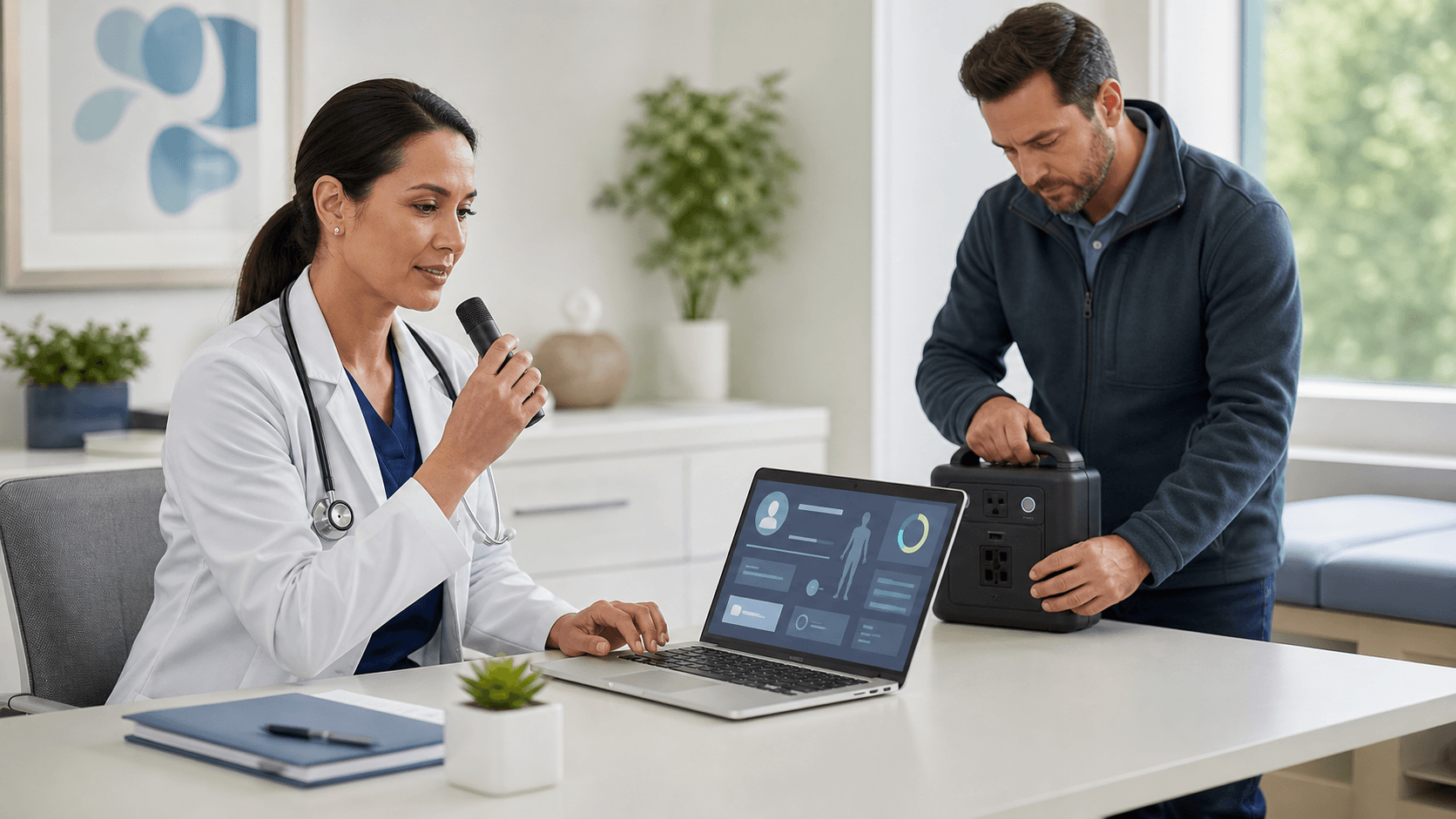
Rethink That Upgrade Before You Sign the PO
Upgrading medical dictation equipment can feel like a safe choice. New microphones, shiny recorders, and fresh foot pedals seem like an easy fix when documentation is dragging and notes are running late. But if we sign that purchase order too fast, we might spend a lot of money without really fixing the problem.
Mid-year planning is often full of pressure. Vendors are pitching new hardware, IT wants to standardize devices before year-end, and leadership wants to show progress. At the same time, cloud tools like Dragon Medical One have changed what "good" equipment looks like. Gear that made sense years ago might be too much now, or it might even slow people down.
So before anyone hits "approve," it helps to pause and ask: What problem are we really solving? Do we need more or better hardware, or do we need smarter workflows and modern speech recognition that can do more with less?
Clarify the Real Problem You Are Trying to Solve
When documentation is painful, it is easy to blame the old headset or the mic that cuts out at the wrong time. But many issues that feel like equipment problems are actually something else.
Common symptoms include:
- Notes finished late in the evening
- Charts left open after clinics or shifts
- Frustration with click-heavy EHR workflows
- Complaints about "slow" dictation
These signs point to stress, but they do not always point to bad hardware. The real cause might be:
- An outdated speech engine that struggles with medical terms
- A workflow that forces clinicians to bounce between screens
- Not enough training on current tools
- Network or EHR performance issues
A better starting point is to gather simple, clear data:
- How long does documentation usually take from start to finish?
- How much charting is done after hours?
- How often are speech errors corrected?
- Which departments feel the most pressure?
Once those questions are answered, it is easier to set real goals, like "cut after-hours charting" or "reduce clicks during note creation." From there, the focus shifts to platforms and workflows first, then equipment. When cloud-based speech recognition is in place and working well, it becomes obvious which medical dictation equipment needs to change and which can stay.
How Cloud Speech Changes Your Hardware Wish List
Cloud speech tools, including Dragon Medical One, move the heavy work of speech recognition off the local PC and into the cloud. That changes the rules for hardware. We no longer need every workstation to be a high-powered, special setup for dictation.
Old models often looked like this:
- Fixed carts or workstations in every room
- Wired handheld mics at each station
- Separate recorders for certain areas
- Complex local installs and updates
Cloud models open up new options:
- Laptops, exam-room PCs, and home setups that all connect to the same speech profile
- Bluetooth or simple wired headsets that can move with the clinician
- Support for hybrid work and telehealth visits
- Centralized updates without touching every device
This shift has real-world effects on purchasing plans. Instead of buying top-shelf equipment for every spot, many organizations find they can:
- Use fewer devices overall, shared where it makes sense
- Standardize on a small list of reliable microphones
- Focus on strong network coverage and simple logins
- Support flexible work without overbuying hardware
A smart step is to run a pilot using the equipment you already own. Test Dragon Medical One in different settings: quiet offices, busy clinics, and telehealth spaces. See where current devices do fine and where they struggle. That real-world use data should guide your next equipment order, not a generic hardware list.
Evaluating Your Current Medical Dictation Equipment
Before replacing everything, it helps to know what you actually have. Many groups are surprised by the mix of gear hiding in drawers and on carts.
Start with a quick inventory:
- List all microphones, headsets, recorders, and foot pedals
- Note age, model, and connection type (USB, Bluetooth, wireless dongle)
- Mark which are used daily, which sit unused, and which fail often
Then ask a few key questions:
- Are clinicians upset about accuracy, or about how the devices feel and fit?
- Are certain spaces, like the ER or OR, known for poor sound quality?
- Are long cords, tangled cables, or cleaning rules making people dislike the gear?
- Do complaints match real performance issues, or habit and preference?
Next, compare your equipment to what cloud speech tools usually need:
- Reliable USB connections that are plug-and-play
- Microphones with decent noise control in busy areas
- Simple buttons and form factors that do not get in the way
- Support for your current PCs and operating systems
Many organizations discover they can keep part of their existing equipment, especially basic USB mics and headsets. From there, it is easier to pick a small, standard set of "recommended" devices that work well with cloud speech. This mix of keep, upgrade, and retire can be much more efficient than tossing everything out at once.
Budgeting Smarter Than a One-Time Hardware Refresh
Big, one-time hardware refreshes can feel clean and simple: buy once, deploy everywhere, then repeat a few years later. But that pattern can lock you into gear that no longer fits how people actually work.
Cloud speech recognition is usually subscription-based, which spreads out costs over time instead of loading them into one budget cycle. While we will not talk about pricing details here, the structure itself encourages a different kind of planning.
A phased approach might look like this:
- Start with a focused pilot in a few high-impact areas, like busy clinics
- Use mostly existing equipment during the pilot
- Identify where new devices truly help, such as very noisy departments
- Plan targeted hardware purchases tied to clear workflow gains
When thinking about total cost of ownership, it helps to look wider than the sticker price of a microphone. Other real costs include:
- Downtime when a device fails at the wrong moment
- IT support time spent troubleshooting drivers and settings
- Replacement cycles for equipment that does not hold up to daily use
- Extra hours clinicians spend charting at home because documentation is slow
Often, moving to a modern speech platform and then adding only the equipment that actually solves a problem can cost less over the long term than a huge, hardware-only refresh. It can also leave room to adapt as work patterns change.
Make Your Next Dictation Move Count
If you are thinking about new medical dictation equipment, it pays to slow down just enough to think clearly. A simple decision checklist can help keep things on track:
- Have we defined our documentation goals in plain language?
- Are our networks and devices ready for cloud speech tools?
- Do we understand what equipment we already own and how it performs?
- Can we point to specific spots where new gear is truly needed?
- Have we tested cloud speech with real users before placing a big order?
Mid-year is often a good time to start this review. Summer can bring a different pace, and there is usually a short window to update workflows before fall schedules fill back up and volume grows. Starting an evaluation in late summer can give teams time to test, train, and adjust before the next busy stretch.
At Try DMO, we focus on helping healthcare organizations make smart, practical choices about speech recognition and equipment. As an authorized Dragon Medical One provider, we work with teams to match cloud speech, real-world workflows, and the right amount of hardware so clinicians can spend less time fighting their tools and more time with patients.
Upgrade Your Clinical Workflow With Smarter Dictation
If you are ready to reduce documentation time and focus more on patient care, our team at Try DMO can help you get started quickly. Explore our medical dictation equipment to find a solution that fits your practice size, specialty, and workflow. We will guide you through setup and best practices so you can see meaningful improvements in accuracy and efficiency right away.