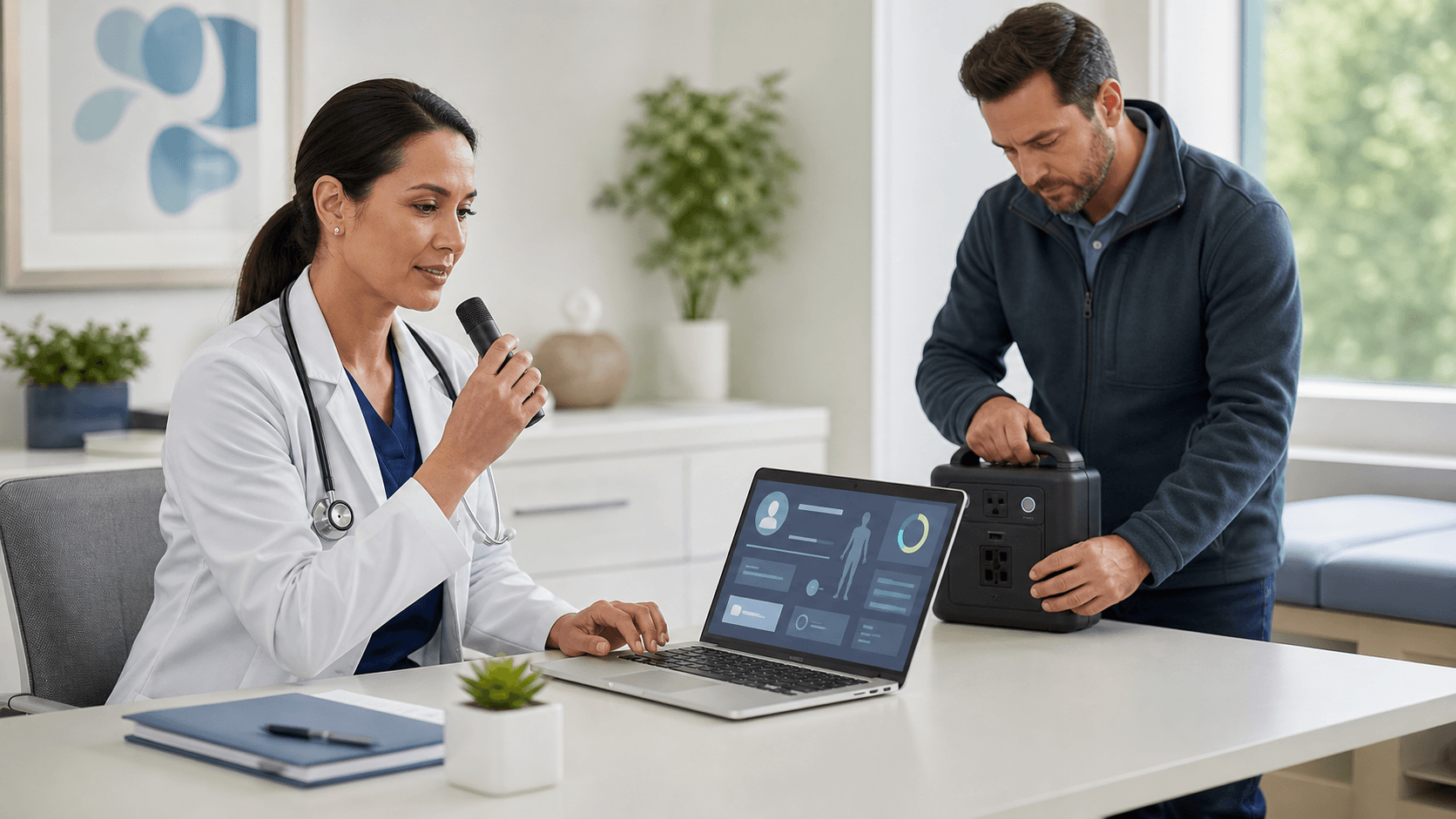
Preparing Clinicians for Effective Dragon Medical One Use
Successful clinical documentation with Dragon Medical One starts before a clinician dictates the first note. With thoughtful preparation, we can help reduce uncertainty, support accurate documentation, and give your team time to get comfortable with a new medical speech recognition workflow.
A late-summer rollout can be especially helpful as new staff come aboard, schedules shift, and fall priorities take shape. Rather than asking clinicians to learn during busy patient-care hours, we recommend building a clear plan for setup, practice, and ongoing support.
Build Confidence with a Thoughtful Implementation Plan
Dragon Medical One is a medical speech recognition solution, and it takes a short adjustment period. Clear speech, proper microphone use, and familiarity with common commands all matter. We set realistic expectations from the beginning so clinicians understand that comfort grows with practice.
Before a Dragon Medical One implementation begins, we encourage you to review how each clinical group documents. A therapist may complete notes differently than a physician or advanced practice provider. Visit types, specialty terms, and care settings can also shape how dictation fits into the day.
Start by confirming the practical details that support daily documentation:
- Supported Windows devices are ready where clinicians document most often.
- Approved microphones are available and working properly.
- Login procedures are clear before training begins.
- Teams know which supported applications they will use during their normal workflows.
A phased rollout often gives teams more breathing room. We can begin with a pilot group or clinician champions, listen for common questions, and apply those lessons before expanding access. Clinical leaders, IT teams, trainers, and support contacts should also have clear ownership of device readiness, access, training schedules, and follow-up help.
Create Reliable Voice Profiles From Day One
Voice-profile setup is the foundation of a positive experience with Dragon Medical One. We recommend completing this step in a quiet space, with an approved microphone, before relying on speech recognition for live patient documentation. Taking a few unhurried minutes at the start can prevent frustration later.
Microphone habits make a real difference. Clinicians should learn where to position the microphone, keep a consistent distance while speaking, and limit background conversation when possible. Speaking away from the microphone or dictating beside other voices can affect recognition quality.
Natural, clear speech is the goal. There is no need to over-enunciate every word, but rushing through a sentence can make documentation harder to review. During training, we help clinicians practice effective pacing, punctuation commands, and correction methods so they can develop habits that fit their normal speaking style.
A quick validation period after setup is also worthwhile. Clinicians can dictate a few representative sentences, review the results, and practice correcting errors before using Dragon Medical One during a patient encounter. Early coaching gives users a safe place to ask questions and build confidence.
Train Within Real Documentation Workflows
Generic software instruction rarely feels as useful as practicing the work clinicians actually do. We focus training on the supported Windows applications and documentation steps your team uses during a normal patient encounter. That connection makes the learning feel practical from the start.
Useful practice scenarios may include:
- Dictating a history of present illness.
- Documenting an assessment and plan.
- Entering follow-up instructions.
- Adding punctuation and correcting recognition errors.
- Reviewing the final note before signing or submitting it.
Clinicians also need time to practice moving through their usual workflow. They should know how to select text, make corrections, insert punctuation, and review content carefully before a note is completed. These are small actions, but they come up again and again throughout the day.
Role-specific examples matter, too. Physicians, advanced practice providers, therapists, and other clinical professionals may use different terminology and note structures. When we shape training around their real responsibilities, it is easier for users to see where Dragon Medical One fits and how to use it consistently.
Reinforce Documentation Standards Across Teams
Consistent speech recognition practices can support clearer documentation across a department. That does not mean every clinician needs to dictate in the same style. Instead, we encourage shared expectations around accuracy, review, terminology, and note completion.
Before launch, clinical teams should agree that each clinician remains responsible for reviewing dictated content, correcting recognition errors, confirming patient-specific details, and making sure documentation meets organizational and regulatory requirements. Speech recognition can support the documentation process, but careful review remains part of the clinician's work.
Shared resources can keep that learning active after initial training. Brief reference guides, recorded demonstrations, office hours, and peer coaching can give clinicians a place to refresh key commands and work through common issues. These tools are also useful for new hires and staff returning after time away.
Feedback should continue after go-live. If several clinicians are having trouble with microphone placement, correction steps, or particular clinical terms, we can use that feedback to guide focused refresher training. Addressing repeat challenges helps teams maintain stronger documentation habits without turning every question into a larger disruption.
Prepare for a Strong Fall Launch
Dragon Medical One readiness works best as an ongoing training effort, not a one-time software event. Reliable voice-profile setup, realistic workflow practice, and continued support all help clinicians feel prepared when documentation demands increase in the fall.
As you review your onboarding process, look for gaps in device readiness, access steps, microphone training, and workflow-based practice. A clear support plan gives clinicians room to learn, review their documentation carefully, and use Dragon Medical One accurately and efficiently in their everyday work.
Build a More Confident Documentation Workflow
Try DMO can help your organization prepare clinicians with practical medical speech recognition support tailored to daily documentation needs. Get started with Dragon Medical One implementation support that helps teams establish a smoother path from setup through confident use. Our team is ready to help you create a rollout approach that supports adoption without adding unnecessary complexity.