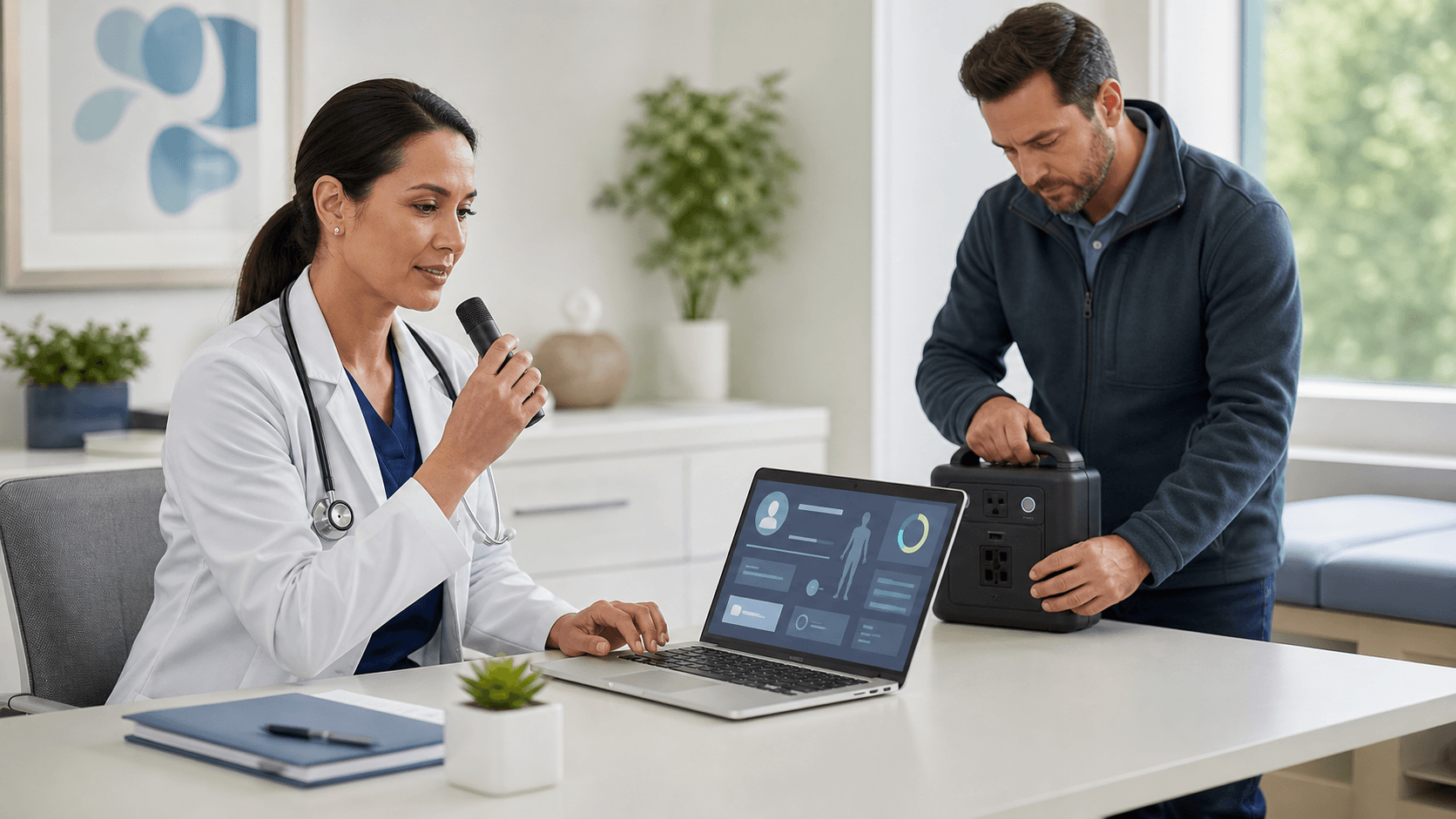
A successful Dragon Medical One rollout starts well before the first clinician signs in. The best plans prepare people, rooms, and daily documentation routines so speech recognition feels useful from the beginning, not like one more task to learn.
We recommend framing the change around practical improvements: real-time dictation, fewer interruptions while building notes, and tools that can fit different specialties and schedules. Late-summer planning can be especially helpful because it gives your teams time to prepare before fall patient volumes, seasonal care needs, and year-end priorities pick up.
Build Confidence with a Practical Rollout Plan
Technology alone does not create adoption. Clinician readiness, microphone habits, room setup, and responsive follow-up all shape whether Dragon Medical One becomes a dependable part of the workday.
Start with a pilot group that reflects how care is actually delivered in your organization. A small, thoughtful rollout can reveal workflow questions before you expand to more teams. We suggest considering primary care, specialty clinics, urgent care, and hospital-based teams based on their documentation volume, schedules, available rooms, and comfort with speech recognition.
Your Dragon Medical One implementation plan should also make room for different roles. Physicians, advanced practice providers, nurses, medical assistants, and support staff may each interact with documentation in different ways. Clarify who needs full onboarding, who needs workflow guidance, and who can help reinforce good habits after go live.
Before deployment, set clear measures that help you see where support is needed. Useful areas to watch include:
- Training completion and active usage
- Clinician feedback and common workflow questions
- Documentation turnaround patterns
- Users who need extra coaching or refresher training
- Recurring room, microphone, or vocabulary concerns
At Try DMO, we provide medical speech recognition support for Dragon Medical One, including practical help with planning, onboarding, personalization, and ongoing user assistance. Internal leaders still guide change in their own organization, while we can help make the day-to-day use of the platform easier to support.
Make Onboarding Match Real Clinical Work
Generic feature training can leave clinicians wondering how to apply what they learned during a busy visit. Instead, training should follow the workflows users will handle every day. Show clinicians how to launch Dragon Medical One, begin dictation, work through common note tasks, use specialty vocabulary, and apply voice commands in the normal flow of an encounter.
Early onboarding is also a good time to introduce AutoTexts, custom vocabulary, and personalized voice commands. These tools can support commonly used exam findings, assessments, plan language, and repeated phrases. Rather than trying to personalize everything at once, we encourage clinicians to start with a short list of tools that solve real documentation frustrations.
Learning should not end after one session. Some users will feel comfortable quickly, while others may need observation, one-on-one coaching, or help improving their dictation habits after they begin using the platform with patients. Flexible options can include live onboarding, short refresher sessions, quick-reference materials, and follow-up support.
Clinician champions can make a meaningful difference here. Peer-to-peer tips often feel more relatable than a broad training message, and champions can surface repeated concerns before small frustrations slow adoption.
Prepare Exam Rooms for Comfortable Dictation
A well-planned training session can still fall short if the exam room setup works against the clinician. Before go live, we recommend walking through the room as a clinician would, including seated, standing, and moving through a typical visit.
Microphone placement deserves special attention. Each user should know where the microphone belongs when it is not in use, how to position it consistently, and how to keep it within easy reach. A microphone left on a shared workstation, buried in a drawer, or placed too far from the speaker can interrupt the workflow and cause unnecessary frustration.
Room noise matters, too. Conversations, equipment alerts, hallway sounds, ventilation, and patient activity are all part of a normal care environment. You do not need a perfectly silent room, but you do want a layout and microphone routine that lets clinicians dictate clearly and comfortably.
A quick room-readiness check can uncover issues that are easy to miss during planning:
- Missing or poorly stored accessories
- Awkward cable placement near the workstation
- Shared equipment without clear ownership or storage rules
- Screens positioned awkwardly for reviewing documentation
- Limited space for using the microphone during an exam-room visit
Fixing these details before rollout helps clinicians focus on their notes instead of working around the room.
Reinforce Documentation Habits Over Time
Medical speech recognition is a workflow skill, not a one-time software lesson. Clinicians benefit from finding a dictation rhythm that feels natural across different visit types. That may include speaking at a comfortable pace, pausing when needed, reviewing text appropriately, and correcting errors without losing focus.
The best time to dictate can look different from one clinician to another. Some may document portions of the note during the encounter, while others may prefer to complete it immediately afterward. We recommend discussing options that protect patient communication, privacy, and clinician attention while reducing the chance of postponed or incomplete notes.
Recognition can also improve when clinicians know how to ask for help with repeated terminology issues. Specialty terms, medication names, procedure language, and commonly used phrases may need vocabulary support or personalized commands. Users should not feel stuck repeating a frustrating workaround when a support request may help address the pattern.
Use Early Feedback to Build Momentum
The first weeks after a Dragon Medical One implementation are a valuable learning period. Simple feedback channels, such as short surveys, champion check-ins, office hours, and support requests, can show what is working and where users need more guidance.
When the same issue appears more than once, respond with focused help. A refresher on microphone positioning, a review of AutoTexts, help with a specialty term, or individualized coaching can keep a small obstacle from becoming a reason to stop using the tool. Sharing practical wins between teams also helps clinicians see how colleagues are making dictation work in real documentation settings.
A focused rollout plan, realistic room testing, time to practice, and visible support give clinicians a stronger foundation for go live. As feedback comes in, use it to refine training and workflows so adoption can grow at a pace that works for your care teams.
Build Confidence for a Smoother Go Live
Ready to strengthen your rollout with practical medical speech recognition support? Get started with a Dragon Medical One implementation tailored to your clinicians' documentation needs. At Try DMO, we help care teams prepare for adoption with guidance that supports efficient, accurate workflows. Take the next step toward a more confident transition to Dragon Medical One.