Keep Documentation Moving When Meditech Is Down
Downtime documentation needs to work in the real world, when clinicians are busy and MEDITECH access is interrupted. Scheduled maintenance, connectivity trouble, severe weather, and unexpected outages can all change the day quickly. During those moments, care continues, and documentation still needs to be clear, complete, and stored in approved places.
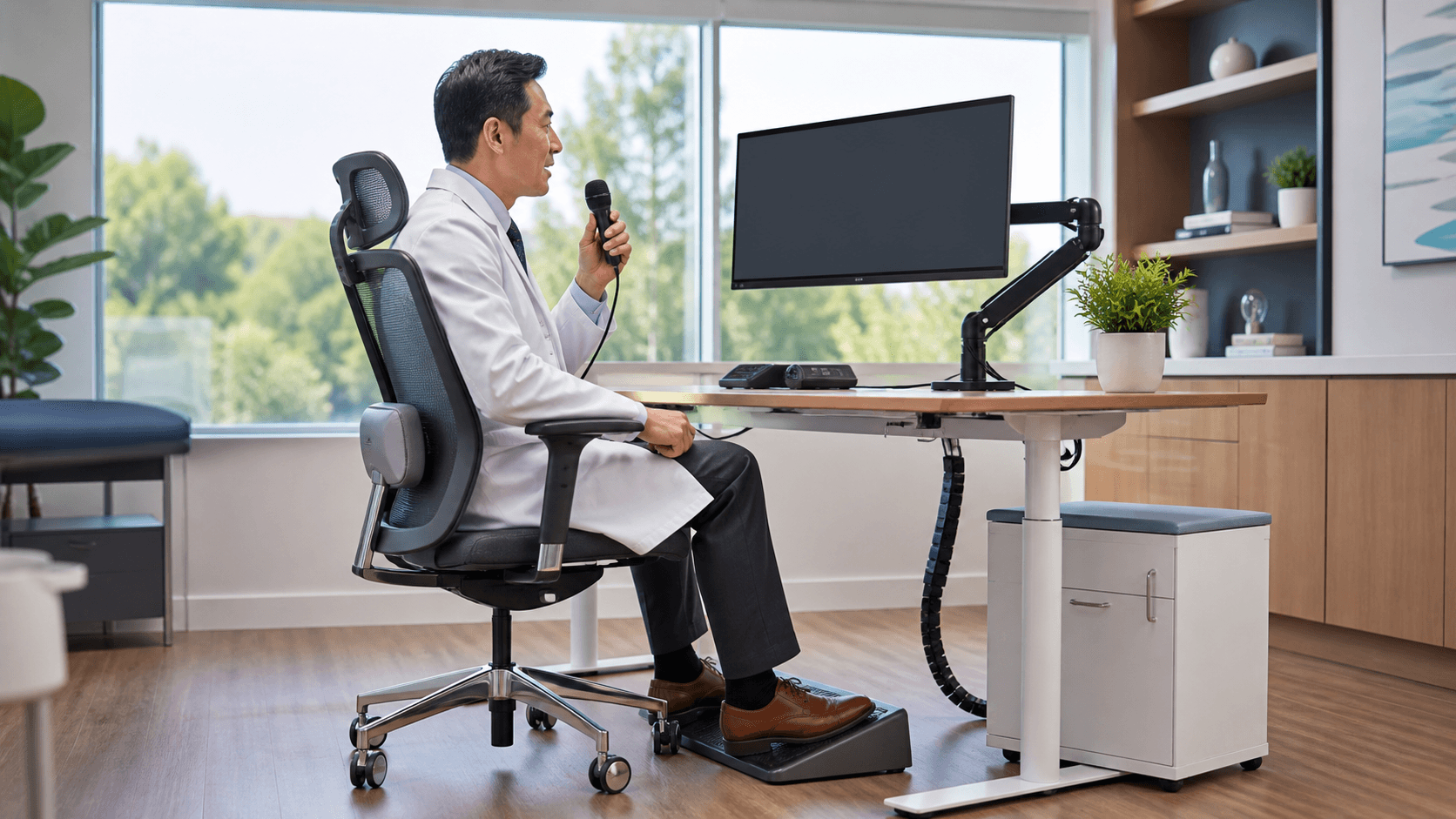
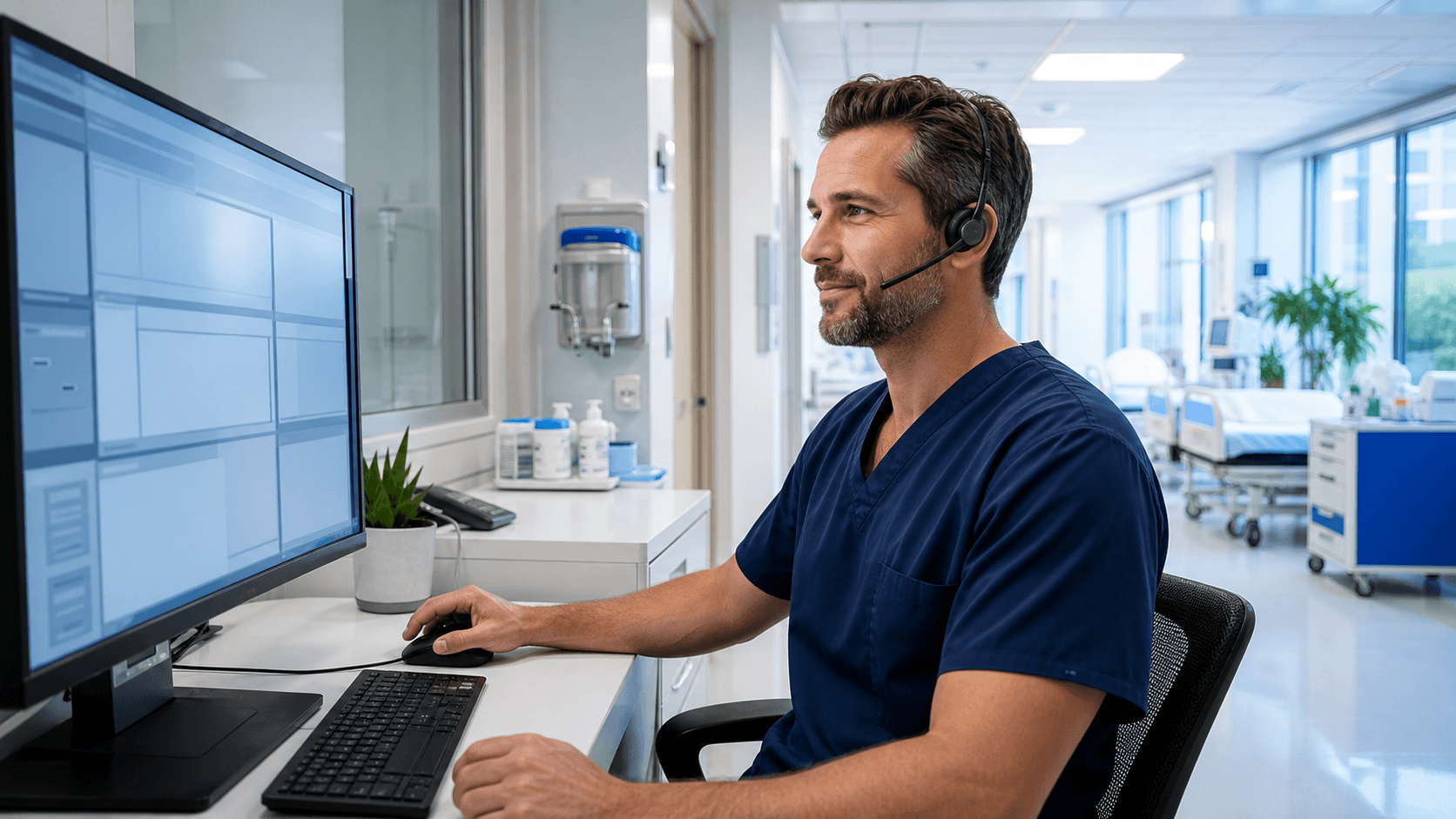
Downtime is a patient care and compliance concern, not simply an IT event. Clinicians may still need to document assessments, procedures, orders, care updates, and communications while normal EHR workflows are unavailable. MEDITECH voice recognition can help support continuity by letting clinicians create text in approved downtime tools and Windows-based applications.
September is a smart time to review readiness. Fall may bring hurricane disruptions in some areas, early flu season volume changes, staffing transitions, and planned system work. A voice-enabled process can help reduce dependence on handwritten notes, delayed chart completion, and personal workarounds that are harder to track later.
Define the Right Meditech Voice Recognition Downtime Plan
A workable plan starts by naming the approved places where documentation belongs during an outage. That may include downtime forms, secure Word templates, clinical shared drives, departmental applications, or other Windows workflows your organization has approved. Each care setting should have clear instructions, because an emergency department, inpatient unit, clinic, and procedural area may not need the same documents.
Dragon Medical One medical speech recognition can support speech-driven text entry at the cursor in many Windows applications. That means clinicians do not have to abandon their normal way of documenting just because MEDITECH is unavailable. Instead, organizations can align Dragon Medical One workflows with the tools they have approved for downtime.
Your plan should spell out expectations for each role, including:
- Physicians and advanced practice providers documenting assessments, procedures, and care decisions
- Nurses recording care updates, communications, and required clinical details
- Coders and health information management teams tracking documents for later review
- Department leaders verifying that completed documentation is stored correctly
Practical details also need attention before an outage happens. Confirm workstation availability, microphone access, network dependencies, document naming rules, version control, retention needs, and data security expectations. The right process makes the approved option easier to follow than an improvised alternative.
Standardize Templates and Commands Before an Outage
Downtime is not the time to ask clinicians to create every note from a blank page. Specialty-specific templates can support the documentation your teams use most often. An emergency department may need rapid assessment and disposition language, while inpatient teams may need progress notes, procedure notes, consult documentation, transfer summaries, and follow-up instructions.
Dragon Medical One AutoTexts and voice commands can reduce repeated typing when time is limited. Approved language, note headings, disclaimers, and structured sections can be inserted quickly, helping teams stay consistent even when their usual MEDITECH workflow is disrupted.
Useful commands should sound like words clinicians naturally say. Keep them short, distinct, and tied to the setting where they will be used. For example, a downtime workflow may include commands for:
- A downtime progress note heading
- A medication reconciliation reminder
- A procedure documentation section
- A follow-up or handoff instruction
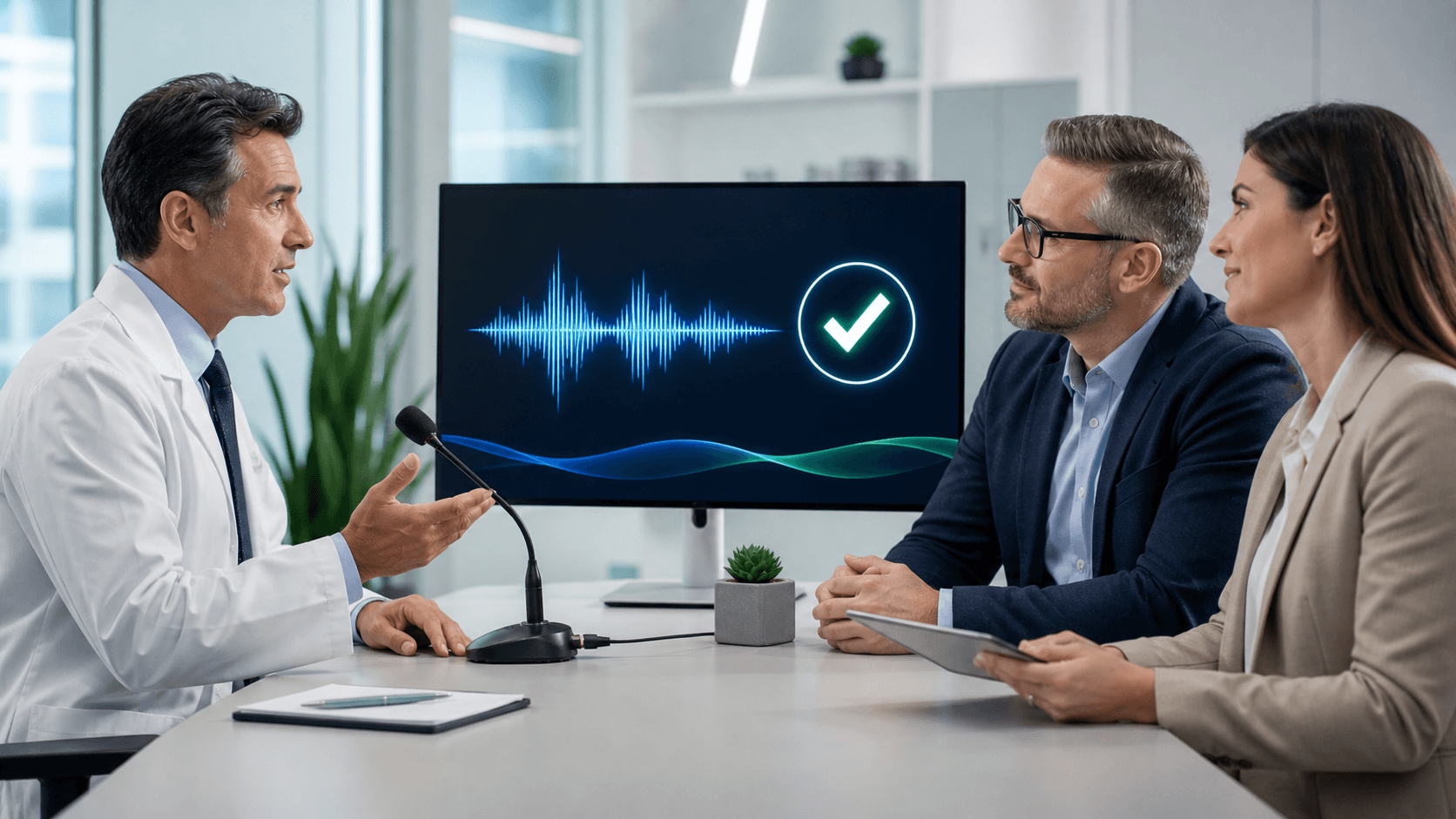
Before putting templates into use, we encourage review by clinical leadership, compliance, health information management, and frontline users. The goal is not to rebuild every MEDITECH feature outside the EHR. It is to support safe care, later reconciliation, and the documentation requirements your organization has set.
Train Clinicians to Use Meditech Voice Recognition Under Pressure
Knowing that a downtime policy exists is different from being ready to use it. Regular Dragon Medical One training can include downtime steps so clinicians understand where approved tools are located, how to open their speech recognition profile, which template fits the task, and how to save documents securely.
Short practice drills can reveal problems that a written policy will miss. A scheduled MEDITECH downtime drill, a network interruption exercise, or a severe weather scenario can show whether microphones are available, shared locations are accessible, templates are current, and escalation steps are easy to follow.
For clinicians who move between units, clinics, or affiliated facilities, consistency matters. Dragon Medical One roaming profiles can help authorized users keep familiar AutoTexts, voice commands, and specialty vocabulary across supported workstations. That familiarity can make a stressful workflow feel more manageable.
Quick-reference guides should stay simple. Include the first actions a clinician should take, the approved document location, the support contact, and the steps for handling completed notes after MEDITECH returns. Refresher training before higher-risk weather periods or planned maintenance can help keep the process fresh.
Reconcile Downtime Documentation Without Creating Backlogs
Recovery planning belongs in the downtime plan from the beginning. Once MEDITECH is restored, teams need a clear process for reviewing, entering, scanning, or reconciling documentation according to organizational policy. Without that clarity, organizations can face duplicate records, delayed charges, incomplete notes, and extra frustration for clinical staff.
Ownership should be visible, not assumed. Departments need to know who identifies outstanding documents, who confirms they reached the patient record, and who escalates missing information. A simple tracker can give leaders a shared view of work that still needs to be completed after a major event.
Following the immediate recovery work, gather feedback from clinicians, IT, health information management, compliance, and operations leaders. Review whether templates were useful, voice commands worked as expected, access remained reliable, and recovery tasks created unnecessary work. Those lessons can guide updates to AutoTexts, specialty vocabulary, naming standards, training, and workstation preparation.
Put Downtime Readiness Into Practice
A strong MEDITECH voice recognition downtime process brings together approved documentation tools, clear team responsibilities, practical training, and defined recovery steps. When clinicians can dictate into the Windows applications they are already approved to use, the organization has a more consistent way to capture information while normal access is interrupted.
The best test is a simple one: can a clinician find the right tool, create the needed documentation, save it securely, and know what happens next? If the answer is yes, your downtime workflow is far more likely to support care teams when conditions are anything but routine.
Strengthen Documentation When Downtime Disrupts Care
Try DMO helps clinical teams build more dependable documentation processes with Dragon Medical One medical speech recognition support. Learn how MEDITECH voice recognition can support clearer, more efficient workflows across routine and downtime documentation needs. Our team can help you evaluate the right approach for your organization's clinical documentation goals.