Make Every Spoken Note Clearer and Faster
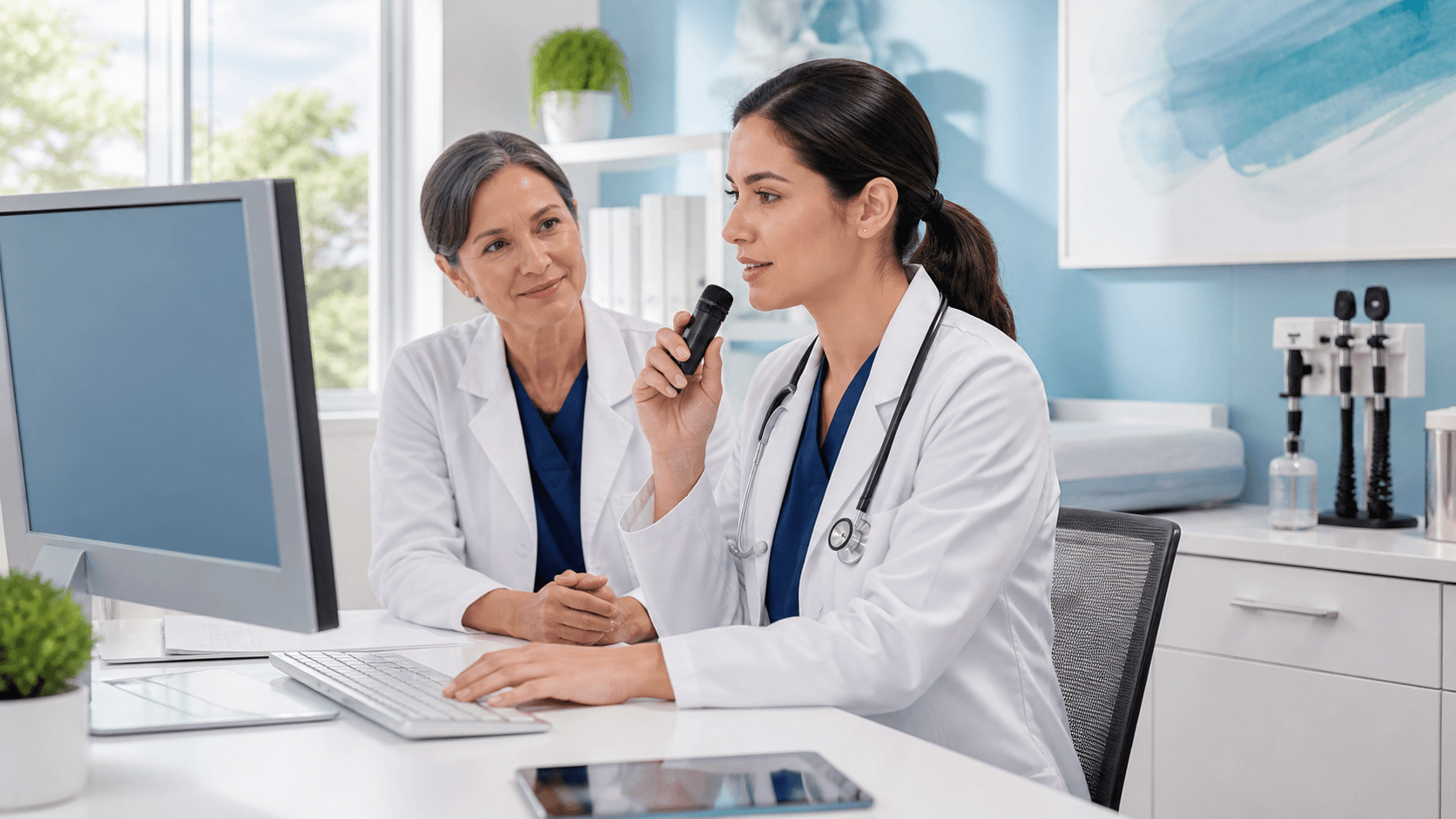
Clinical documentation has a way of filling every open space in the day. Notes compete with patient care, follow-up tasks, messages, and schedules that were already full before the first visit began. At Try DMO, we support clinicians who want a more practical way to capture clinical information through Dragon Medical One medical speech recognition and real-time dictation.
Speaking a note can save typing, but stronger documentation is about more than speed. Effective habits help clinicians dictate complete thoughts, review the text before signing, and use language that makes the record clear for everyone who reads it. A successful Dragon Medical One implementation also takes planning around real work, hands-on training, specialty-focused tools, and ongoing adjustments across Windows applications and EHR environments.
Start with the Workflows You Already Use
Before changing documentation habits, we recommend looking closely at how work gets done now. A clinician may move between progress notes, referral letters, patient instructions, inbox responses, and repeated fields throughout the day. Each task has its own pace, wording, and points where typing becomes frustrating.
Rather than trying to change every task at once, start with a few workflows that happen often and create the most friction. Early wins help users see how speech recognition fits into their day without making the rollout feel overwhelming.
Useful starting points may include:
- Progress notes that follow a repeatable structure
- Referral letters with common clinical details
- Follow-up instructions that need clear, consistent wording
- Inbox responses or routine communications
- Repeated documentation fields that slow down note completion
Before rollout, teams can define goals. Your goal may be reducing keyboard dependence, making common language more consistent, or helping clinicians finish notes during or shortly after visits. The right target depends on the role, specialty, and routines of the people doing the documentation.
Train for Comfortable, Accurate Dictation
Training helps turn speech recognition from a new tool into a comfortable daily habit. Some clinicians are used to typing every note, while others may have used basic voice tools or relied on staff for part of the documentation process. Users often need time to practice in the same kinds of tasks they perform every day.
Good dictation does not mean speaking in a stiff or unnatural way. It means learning how to speak clearly at a steady pace, add punctuation, correct text, and pause long enough to review the note before finalizing it. That review step matters because the signed record should reflect what happened during the encounter.
Role-based training makes the experience more useful. A physician, nurse practitioner, therapist, or specialist may use different note formats, terminology, and commands. Training should focus on the note types and documentation habits that fit each user, rather than relying only on generic examples.
Build Shortcuts Around Clinical Routines
Once the basics feel familiar, specialty vocabularies, AutoTexts, and voice commands can make routine work easier to manage. Specialty vocabularies help users dictate clinical terms related to conditions, treatments, procedures, medications, and findings in a way that fits their documentation needs.
AutoTexts can also reduce the need to repeat the same wording throughout the day. They work well for common assessment language, exam components, procedure details, follow-up instructions, and care-plan statements. Still, reusable content should support the note, not replace the clinician's judgment. Each note should be tailored to the patient encounter.
Voice commands can help reduce frequent returns to the keyboard. Depending on the workflow, users may practice commands for:
- Moving through a note or between sections
- Selecting a word, phrase, or sentence for editing
- Making corrections to dictated text
- Inserting reusable AutoText content
- Adding punctuation and formatting while dictating
When shortcuts match real routines, they can feel less like extra steps and more like part of the workday.
Refine Workflows Across Windows and EHR Tasks
Documentation rarely happens in one simple screen. Throughout the day, clinicians may move between note sections, messages, referral content, patient instructions, and other Windows applications. Dragon Medical One medical speech recognition can support work across Windows applications and EHR environments when users understand where dictation and commands fit best.
Attention to the moments that interrupt focus can be helpful. Maybe switching between note sections takes too long. Maybe repeated details are typed again and again, or referral content requires extra editing. Those slow points are useful clues. They show where AutoTexts, commands, or updated training could make the routine smoother.
Feedback should continue after adoption, not stop after the first training session. Teams should ask which note types still take the longest, which phrases users repeat most often, and where manual typing is still common. That information can guide updates to documentation standards, AutoTexts, commands, and training materials over time.
Prepare for Stronger Fall Documentation Habits
August is a good time for a late-summer workflow reset. Fall schedules can become busier, staffing may shift, and documentation completion can take on fresh urgency. A review of current habits can show whether they are helping clinicians create timely, accurate records without adding unnecessary effort.
A practical review can cover the main parts of your Dragon Medical One implementation. Confirm that users know their core dictation and correction commands, have access to relevant specialty vocabularies, and understand which AutoTexts fit their most common note types. Small adjustments before the season changes can help prevent old typing-heavy habits from taking over again.
Choose one workflow to improve first, train users on the related speech recognition tools, and watch what changes. Continued practice and thoughtful refinement can reduce repetitive documentation work while keeping more attention where it belongs, on patient care.
Build A More Confident Documentation Process
At Try DMO, we help clinical teams prepare for a Dragon Medical One implementation that fits their documentation needs. Our team can help you select the right speech recognition setup and support a smoother transition for users. Reach out to discuss your goals and the next steps for your organization.