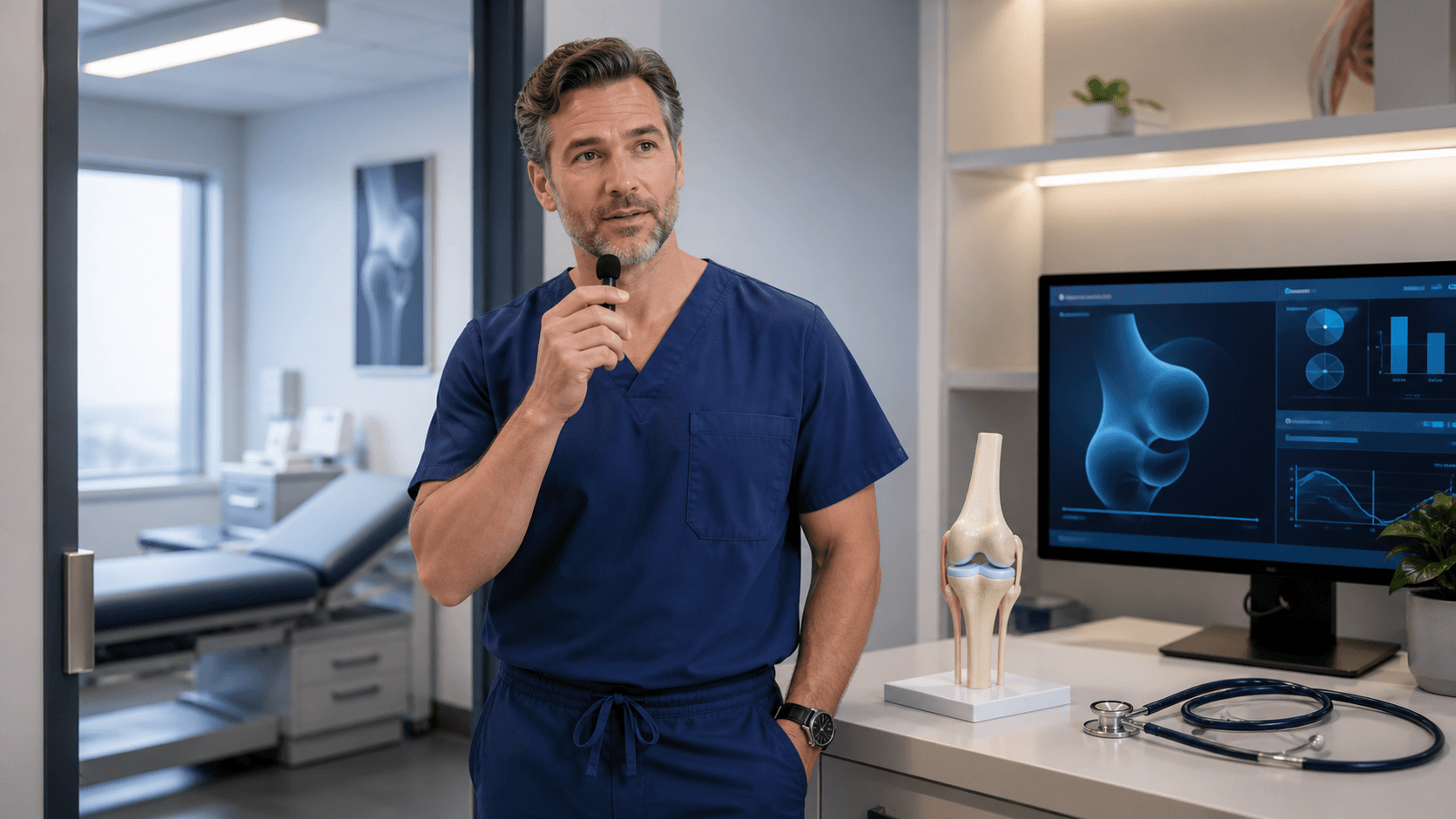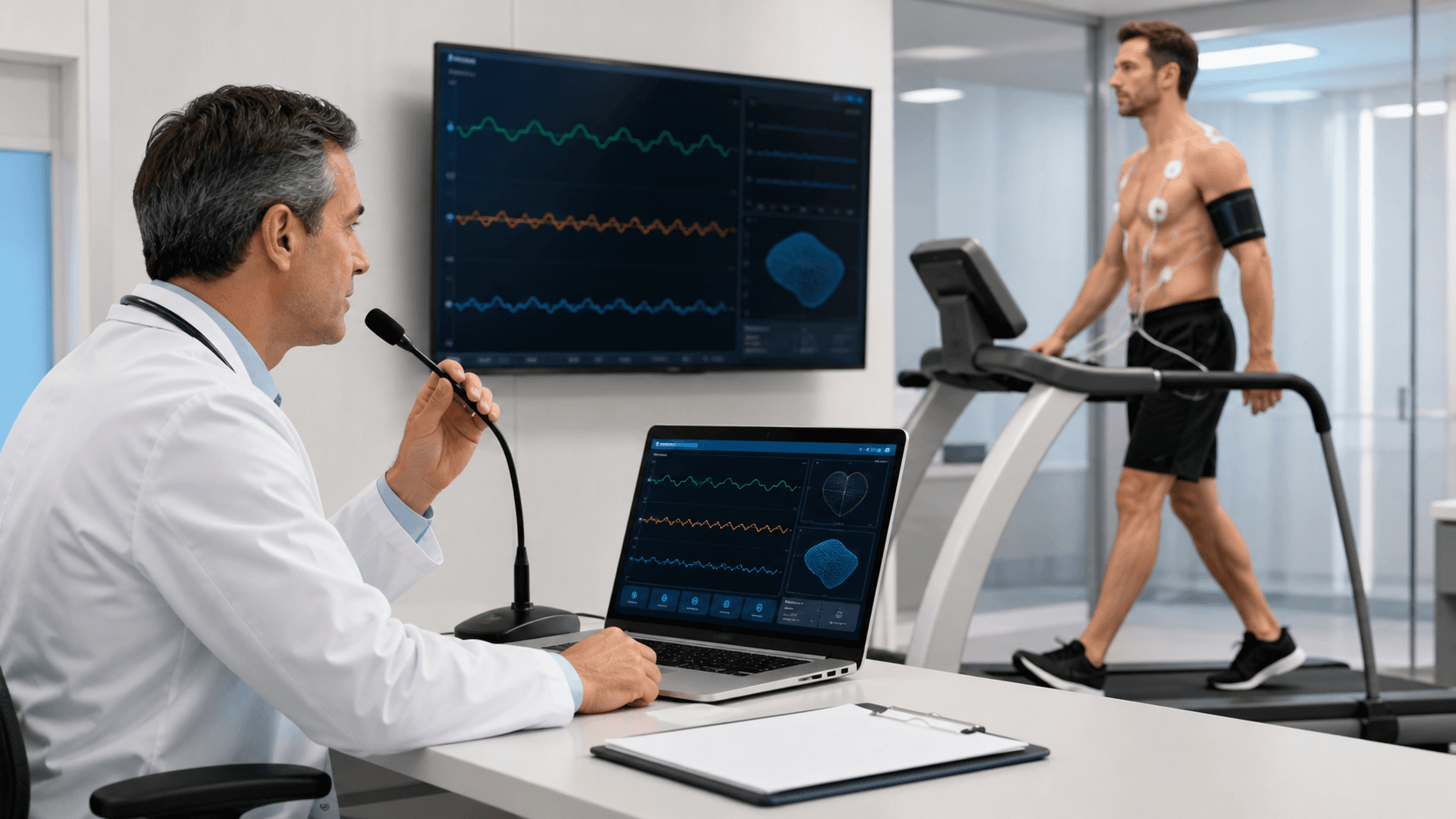
Create a More Consistent Documentation Day
A multi-provider practice does not need every clinician to document in the exact same way. Specialty, role, clinic location, and schedule all shape how a note comes together. Still, we can help you create a practical Dragon Medical One voice-command workflow that makes common tasks easier and more consistent.
For medical dictation for group practices, the goal is simple: reduce repetitive steps so clinicians can focus on accurate, patient-specific documentation. September is a smart time to reset after summer staffing changes and prepare workflows for the final quarter. A lasting process takes more than a one-time setup. It needs shared standards, room for specialty needs, training, and regular updates.
Build a Shared Command Foundation
We recommend beginning with a short list of commands that work for frequent documentation tasks across the practice. This gives everyone a familiar starting point without creating a long list that is hard to remember during a busy clinic day.
Your shared foundation may include commands for:
- Moving between documentation fields
- Correcting or selecting text
- Formatting common note elements
- Opening or moving through supported Windows applications
- Inserting frequently used AutoTexts
Before sharing a command list, confirm which commands are available in your Dragon Medical One configuration. That small step helps prevent confusion and keeps training focused on what clinicians can actually use.
A common set of commands is especially helpful for float providers, new hires, scribes, and support staff. Instead of learning a different process in every clinic or from every clinician, they have a clear baseline. From there, each person can build habits that fit their own documentation style.
Keep the first version organized into easy categories, such as navigation, editing, note structure, and AutoTexts. If a command takes too long to explain or is rarely used, it may not belong in the starter list. The best shared commands are simple, useful, and easy to practice right away.
Match Commands to Real Documentation Moments
The most helpful commands solve repeat tasks that slow clinicians down. We suggest reviewing the moments when providers tend to pause, click through fields, or repeat the same wording. Those are often the best places to introduce a command or AutoText.
Common documentation moments include:
- Starting a visit note
- Recording a review of systems
- Building an assessment section
- Entering patient instructions
- Completing a follow-up plan
Commands and AutoTexts should support the note, not write the clinical story for the clinician. A command can insert a structured starting point, while the provider dictates or edits the details that matter for that patient and encounter. This balance keeps the workflow efficient without turning documentation into generic text.
After the shared core is working well, we can help you think about role-specific and specialty-specific command groups. Primary care, behavioral health, orthopedics, and other teams may use different terminology, note sections, and common phrases. A specialty group can be helpful, but it works best when it builds on the same practice-wide foundation rather than replacing it.
Protect Patient-Specific Documentation
Templates, AutoTexts, and voice commands are starting tools, not completed notes. Every clinician should review the record and make sure it reflects the patient seen that day, the current findings, the medical decision-making, and the plan of care.
Generic language can create problems when it is repeated without review. Copied-forward details may be outdated, a standard phrase may not fit the encounter, or a note may leave out an important change. A dependable workflow includes time for a final read before the note is completed.
For medical dictation for group practices, shared commands can bring welcome consistency, but they do not shift responsibility away from the clinician. The final record still needs to be complete, accurate, and appropriate for the individual patient.
We encourage teams to treat review as part of the command workflow, not as an extra task added at the end. For example, a provider may use AutoText to begin a follow-up plan, dictate the patient-specific instructions, then review the full section before signing. That pattern helps preserve both speed and clinical accuracy.
Teach Commands Without Slowing the Schedule
A long master list can feel like one more thing to manage. Instead, we recommend teaching commands in small groups. Start with a few high-frequency navigation and editing commands, then add note phrases and specialty AutoTexts as clinicians become more comfortable.
Learning works best when it feels connected to a real clinic day. Helpful methods can include one-page command references, short peer demonstrations, onboarding sessions, and practice time in an approved training environment. Rather than teaching commands in the abstract, focus on familiar tasks, such as correcting a dictated phrase or moving into the assessment field.
Clinical champions can make this process feel more practical. They can collect feedback, show colleagues what works, and help identify recurring trouble spots. Through our medical speech recognition support for Dragon Medical One, we help users build confidence with dictation workflows, specialty vocabulary, AutoTexts, and voice commands.
Keep the Workflow Current Across the Practice
A command library should not stay frozen after its first rollout. Staffing changes, clinical terminology, documentation needs, and frequently used AutoTexts can all shift over time. Without a simple maintenance plan, old phrases can linger and shared references can become less useful.
Assign ownership to a documentation lead, a clinical champion group, or an operations team. That group can review command requests, remove outdated phrases, update shared references, and communicate changes clearly. A quarterly review fits naturally with fall operational planning and gives the practice a chance to see where clinicians still lose time.
The most sustainable workflow is organized but flexible. Begin with a small shared command foundation, add support where specialties need it, and keep patient-specific review at the center of every note. With steady training and routine maintenance, your team can build documentation habits that remain useful as the practice changes.
Build a More Consistent Documentation Workflow
Try DMO can help your team put Dragon Medical One commands into a practical, repeatable system. Get started with medical dictation for group practices that supports clearer documentation across roles and specialties. We will help you focus on speech recognition tools that fit your clinicians' day-to-day workflow.