Protecting the Therapeutic Space While Documenting Care
Therapy sessions are not like quick medical visits. They are slow, human, and often heavy with emotion. Clients share pieces of their lives that they might not tell anyone else. That space needs to feel private and safe, even when we still have to document what happens for clinical, legal, and billing reasons.
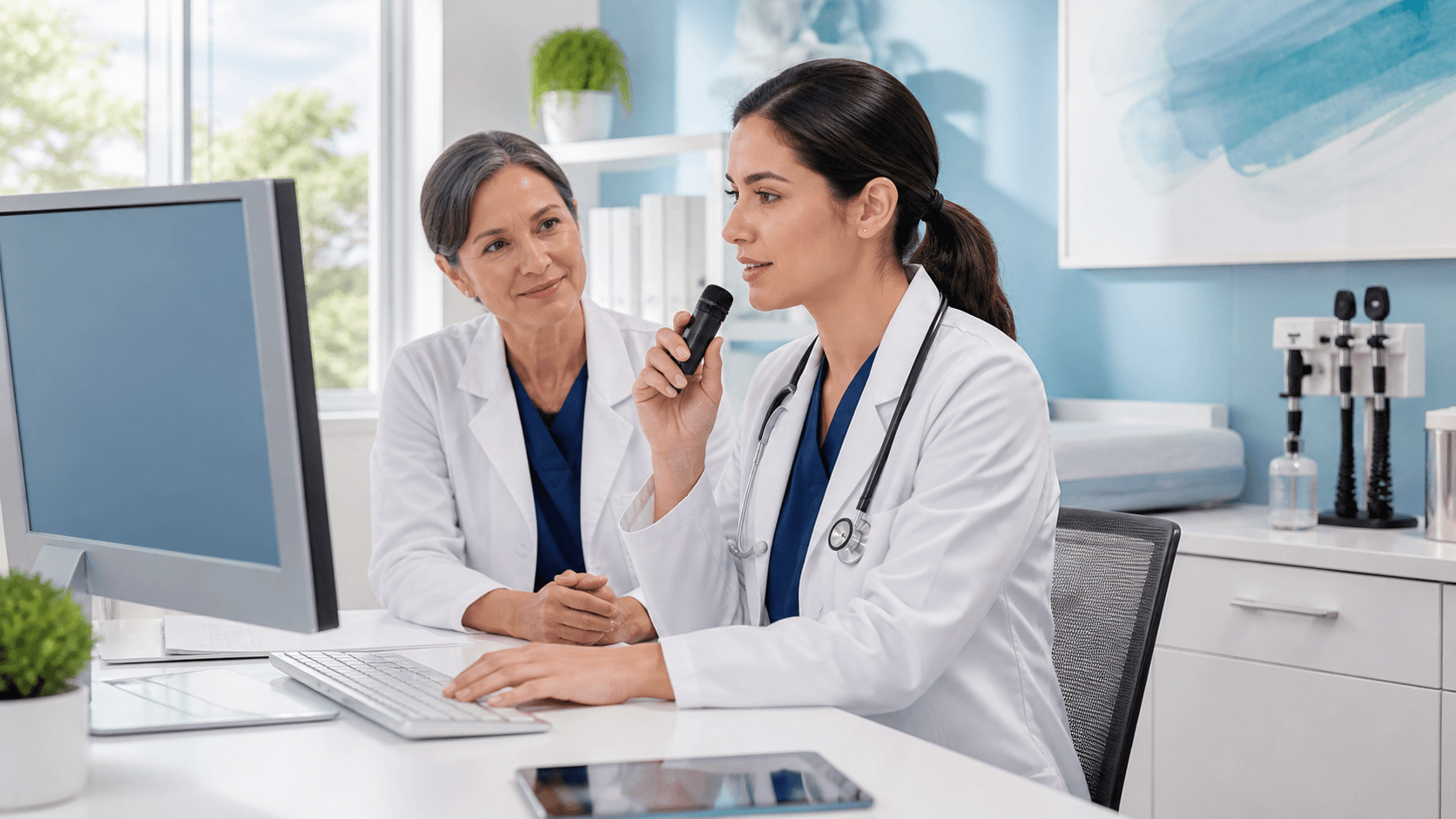
The challenge is simple to name, but hard to solve: How do we capture accurate notes, in real time or soon after, without breaking eye contact every two minutes or making the room feel like an office cubicle? Mental health dictation software can help, but only if we design the workflow with the therapy relationship at the center. Tools like Dragon Medical One, supported by our team at Try DMO, can be set up in ways that protect trust, support good care, and keep records aligned with regulations.
This is especially important in midsummer, when school breaks, schedule changes, and seasonal mood shifts can push caseloads up. When days are full and evenings are short, smart dictation workflows can help clinicians keep up on notes while still giving clients their full attention.
Unique Documentation Needs in Mental Health Sessions
Mental health documentation is different from other specialties. Notes often hold long stories, patterns over time, client quotes, and careful clinical impressions. It is more than checking boxes. It is describing how someone thinks, feels, and behaves, and how that shifts from visit to visit.
Common models like SOAP, DAP, and BIRP structure that story in different ways. On top of that, we have progress notes, which belong in the medical record, and psychotherapy notes, which are more private and protected by federal rules in specific ways. Each type carries a different level of sensitivity and a different audience.
That leads to some clear risks if we are not careful with dictation:
- Over-documenting every painful detail a client shares
- Dictating long verbatim disclosures that are not clinically needed
- Including identifying information about partners, children, or others who did not consent to be in the record
Good mental health dictation software has to support nuance, not just speed. It should help us capture what is clinically necessary and required by payers and boards, without turning the record into a full transcript of a client's life. We still have to think about HIPAA, state rules, payer expectations, and how a note might be read later by auditors, lawyers, or even clients themselves.
Building Client Trust Around Dictation Technology
When a client sees a microphone or hears keys clicking, they may wonder if they are being recorded. Many will not ask out loud, but the worry is still there. If we skip that concern, we risk losing some of the openness we work so hard to build.
It helps to name the technology clearly and early. A simple script might include:
- Explaining that speech recognition is listening to our voice, not recording the client
- Sharing that the tool turns speech into text in a secure, encrypted way
- Naming who can see the notes and what is not stored or shared
We can also invite clients into the process. Some may prefer that we dictate only after the session. Others may be fine with short pauses in the room. Some may want to opt out completely. Clients with paranoia, PTSD, or deep mistrust of systems might need special care, such as no visible devices or a clear promise that dictation only happens once they leave.
When we are consistent, clear, and calm about how we use mental health dictation software, it can actually support trust. Clients see that we respect their time, keep their information safe, and still hold the relationship above the technology.
Workflow Patterns That Honor the Therapy Experience
There is no single "right" workflow. What matters is matching the pattern to the setting, the caseload, and the therapist's style. Three common approaches tend to work well.
Post-session dictation
Right after a session, we stay in the room or step to a quiet spot and dictate while the encounter is fresh. Dragon Medical One can turn that speech into structured notes quickly.
Pros:
- Protects presence during the session
- Keeps details accurate while memory is fresh
- Reduces late-night charting
Cons:
- Tight schedules can make this hard between back-to-back clients
- Emotional fatigue can build by the end of the day
Paused micro-dictation
With clear client permission, we take brief pauses during natural breaks, such as after a safety plan, major insight, or crisis intervention, and dictate only those key parts.
Pros:
- Captures high-risk or complex details right away
- Keeps longer notes from piling up later
Cons:
- Can feel distracting or clinical if overused
- Not ideal for clients who are very sensitive to technology
End-of-day batch dictation
Some clinicians prefer a blocked time at the end of the day to dictate all their notes in order, using strong templates and memory cues so clients do not blur together.
Pros:
- Keeps sessions free of tech
- Gives one focused window for documentation
Cons:
- Higher risk of mixing details between clients
- Can add to burnout if energy is low at the end of the day
In summer, when telehealth visits rise, families juggle changing schedules, and coverage for vacations is needed, having a clear, repeatable workflow becomes even more important. Templated structures, smart phrases, and voice commands built for mental health can speed things up without turning sessions into data entry.
Configuring Dragon Medical One for Mental Health Practice
Dragon Medical One can be tuned to the specific needs of therapists, psychologists, psychiatrists, and social workers. With our implementation support at Try DMO, we focus on making the tool feel natural and quiet in the background.
Helpful configuration steps include:
- Building specialty-specific vocabularies for therapy terms, diagnoses, and interventions
- Creating custom voice commands for common note formats, risk assessments, and safety plans
- Setting strong privacy defaults, including secure logins and auto-logout if a device is left unattended
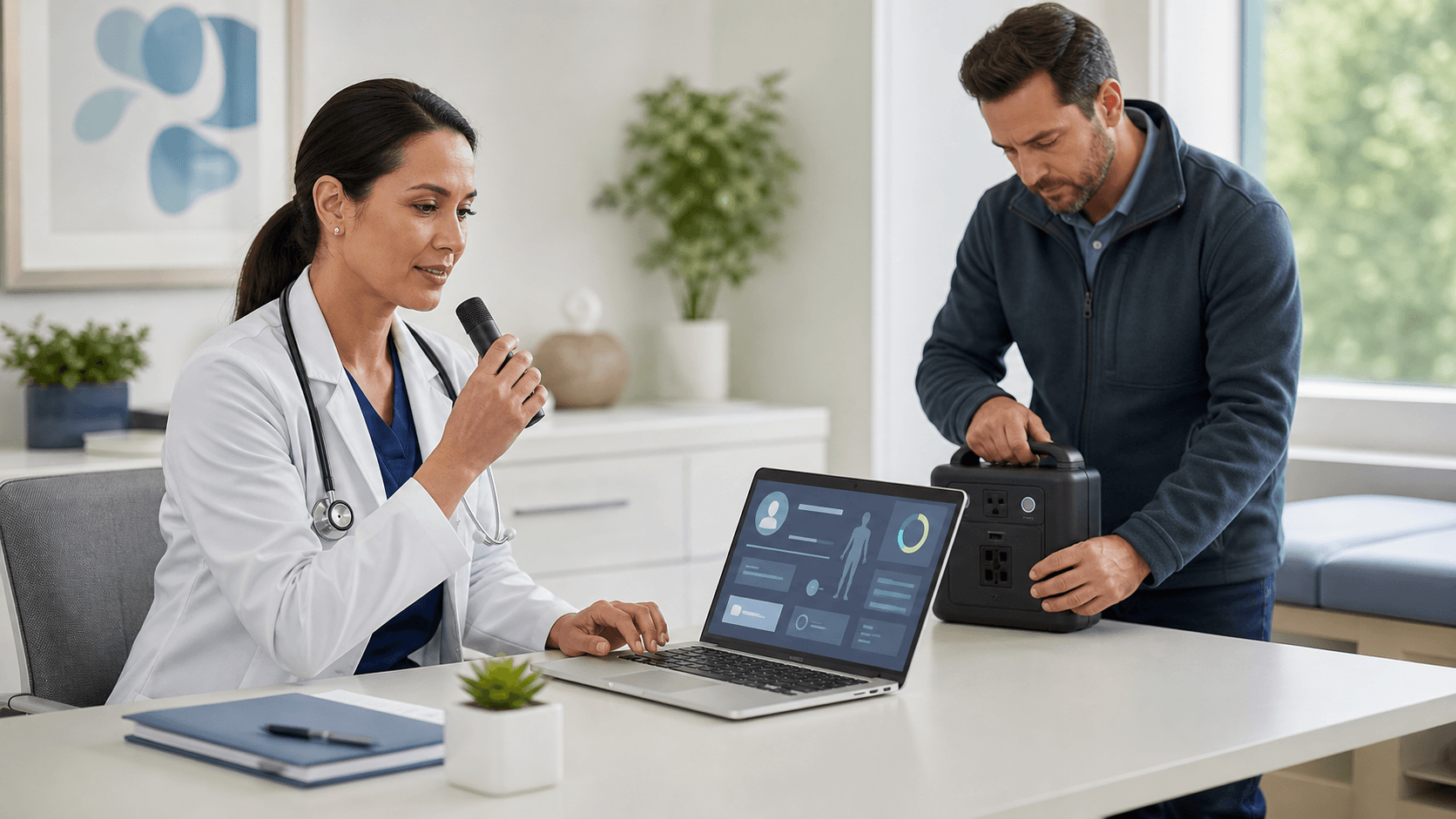
We also encourage thoughtful microphone use, such as choosing devices that do not dominate the room and avoiding dictation in shared or thin-walled spaces. In behavioral health EHRs, we can help map dictation to the right fields and templates, keeping progress notes and more protected psychotherapy notes properly separated where appropriate.
Training matters too. When clinicians practice scripts, short dictation phrases, and typical session scenarios, the software feels less like a barrier and more like a natural part of their routine.
Safeguarding Ethics, Compliance, and Client Dignity
Every dictation workflow should line up with professional codes of ethics, including those for psychologists, social workers, counselors, and other mental health providers. These codes call us to protect confidentiality, avoid harm, and respect client choice.
That means drawing clear lines about:
- What belongs in the main clinical record
- What is better kept in supervision notes
- What counts as separate psychotherapy notes, where those are used
Risk-related content, like self-harm, abuse, or duty-to-warn situations, needs careful, calm language. Notes should be clear and defensible without turning someone's pain into a dramatic story. HIPAA, 42 CFR Part 2 for some substance use records, and state laws for minors and family work all add layers of protection that secure, cloud-based dictation can support when set up correctly.
Regular audits help keep us honest. Periodically checking samples of notes for over-disclosure, reviewing access logs, and updating templates as rules and standards shift can keep mental health dictation software aligned with both law and ethics.
Turning Respectful Workflows Into Sustainable Practice
Summer often brings a different rhythm to mental health practices, with changing daylight, travel, and more shifting client schedules. It can be a smart time to try one or two new dictation workflows, adjust templates, and see what actually lightens the load without changing the feel of the room.
We at Try DMO focus on helping clinicians match Dragon Medical One to their style of work, their mix of in-person and telehealth care, and their EHR setup. With thoughtful planning, mental health dictation software can support detailed, compliant documentation while keeping the heart of therapy clear: real human connection, in a space that still feels safe, private, and fully present.
Streamline Your Mental Health Documentation Without Sacrificing Care
If you are ready to reclaim more time for direct client work, our mental health dictation software can help you document faster and more accurately. At Try DMO, we focus on tools that fit naturally into your existing workflows, so you spend less energy on paperwork and more on patient care. See how our specialty features can support assessments, progress notes, and treatment plans while keeping your records consistent. Start exploring what a more efficient documentation process could look like for your practice today.