Turn Clinical Speech Into Usable Documentation
Documentation can stretch far beyond the patient visit. You may spend time typing notes, correcting templates, filling in missed details, and catching up after clinic ends. When records follow you home, the workday can feel unfinished.
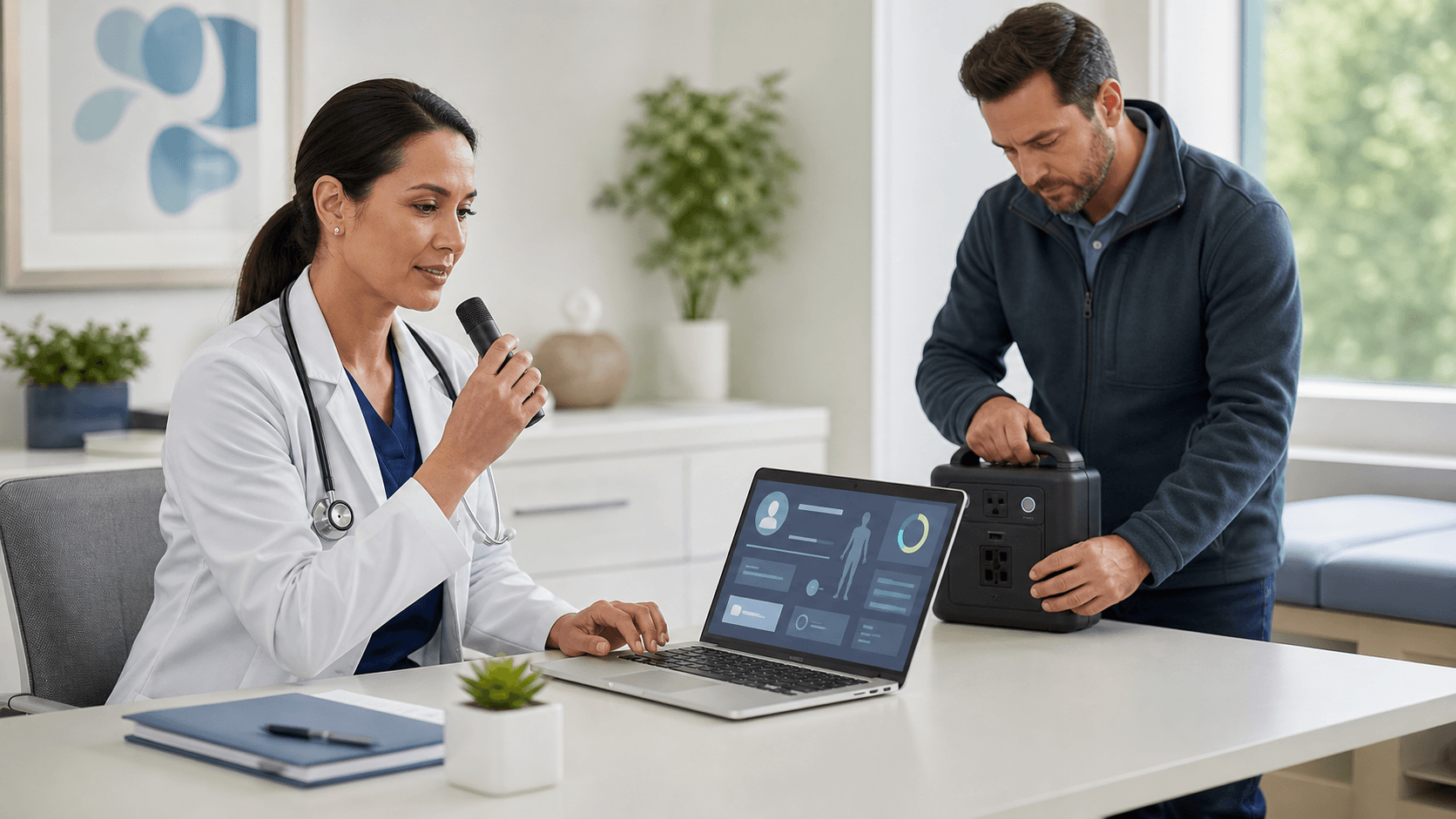
With Dragon Medical One medical speech recognition, we help teams explore a more real-time approach to clinical documentation. The goal is to let you speak naturally while documenting with the clinical language, note style, and specialty terms you already use. Still, a successful Dragon Medical One implementation takes more than turning on a microphone.
Before changing habits, we recommend looking closely at workflow fit, training needs, technical setup, and everyday support. This guide gives clinicians, practice leaders, and operational teams a practical way to plan. Starting those conversations during the summer can also leave room to prepare before fall schedules, staffing changes, or heavier patient volume add pressure.
Assess Dragon Medical One Implementation Fit
Speech-driven documentation can work especially well for recurring clinical narratives that take time to type or are hard to finish during an encounter. We often suggest starting with note types that are familiar, repetitive, and meaningful to the clinician's day.
Possible early use cases include:
- Progress notes, histories, and assessments
- Procedure notes and recurring clinical narratives
- Referral letters and patient instructions
- Follow-up notes that follow a predictable structure
The right fit will look different from one care setting to another. A clinician documenting in an exam room may need a different setup than someone at a shared workstation, rounding in an inpatient setting, working remotely, or moving between locations. Noise, privacy practices, device access, internet reliability, and quiet spaces all shape the experience.
Before implementation, we encourage teams to map the current process. Identify where a note starts, when content is created, where edits happen, who reviews it, and when the record is finalized. That simple baseline can reveal delays, duplicate steps, and handoffs that deserve attention before a new documentation habit begins.
Build Readiness Before Changing Documentation Habits
Good preparation gives clinicians a steadier first experience. Rather than leaving questions to sort out during a busy clinic day, we recommend naming the people who will guide the rollout and support users as they learn.
A practical readiness checklist should include:
- Participating clinicians and clinical champions
- A technical contact and a clear support process
- Compatible devices, dependable headsets, and account access
- Available workstations and reliable network performance
- A plan for feedback, training, and workflow updates
Consistency matters. If you expect to document in several rooms or at multiple sites, you need a dependable way to dictate in each setting. An unreliable microphone or missing access can quickly interrupt a promising workflow.
Note content deserves preparation, too. We work with teams to consider common phrases, diagnoses, medication names, procedure terms, and documentation shortcuts. Dragon Medical One specialty vocabularies and personalized voice commands can support a more natural dictation process when they reflect the language you use every day.
Summer is a useful planning window. A smaller pilot, early readiness review, and simple support materials can help a practice prepare before fall patient volume or new staff onboarding complicates the rollout.
Train Clinicians for Faster, Consistent Documentation
Training should follow real clinical work, not just a list of product features. Clinicians need practice opening the correct note, placing the cursor in the right field, dictating in manageable sections, reviewing text, making corrections, and finalizing the record within their normal process.
Role-based learning makes that practice feel relevant. Primary care, behavioral health, urgent care, and surgical specialties can have different note structures and terminology. When examples reflect the notes you actually create, it is easier to see where speech recognition fits and where another approach may still make sense.
Short, hands-on sessions are often easier to absorb than trying to learn every command at once. We recommend beginning with a small group of high-value voice commands, basic correction methods, and one or two common note types. A routine follow-up note or a frequently used patient instruction can provide an early, practical win.
Concerns are normal at the start. Some users may worry about recognition accuracy, editing time, privacy, or how dictation will affect patient conversations. Leaders can make adoption smoother by creating room for questions and coaching. The learning curve should be expected, not treated as a failure.
Create Support That Sustains Everyday Use
Support matters after the initial training ends. Questions often appear once clinicians begin dictating regularly: a microphone needs adjustment, profile access is unclear, a voice command needs refinement, or a workflow works differently than expected in a certain location.
We recommend a tiered support plan. A clinical champion or super user can answer common workflow questions. Technical contacts can address access or device concerns. When an issue needs added help, Try DMO can support healthcare organizations using Dragon Medical One medical speech recognition and help maintain productive dictation workflows.
Feedback should not wait until a rollout is complete. Checking in after the first week, first month, and first quarter gives teams a clearer picture of what is working. Ask which notes feel easier to dictate, where editing still takes time, which commands are useful, and what training would help next.
For roaming clinicians, consistent access is especially important. User settings and preferences can follow providers across workstations and locations through roaming profiles, helping them avoid rebuilding a preferred setup each time they move.
Start with a Measured Adoption Plan
A focused pilot is often a better starting point than a rushed organization-wide change. Choose a representative group of clinicians, decide which note types they will use first, set expectations for training and support, and establish a realistic plan for broader use.
Instead of relying only on general satisfaction, track practical signs of progress:
- Time spent documenting during and after visits
- Timing of note completion
- Frequency of edits and corrections
- Clinician confidence with dictation
- Continued use after the early rollout period
The best Dragon Medical One implementation is a workflow improvement effort, not a demand that every clinician document in the same way. Assess the current process, close readiness gaps, and give users room to build lasting habits. When training, support, and workflow fit come together, medical speech recognition can become a steadier part of timely clinical documentation.
Build a Stronger Documentation Workflow
Try DMO can help your organization prepare for a Dragon Medical One implementation that supports the way clinicians work. Our team provides medical speech recognition guidance, training, and ongoing support tailored to your documentation needs. Contact us to discuss the next steps for your team.